Year: 2024

  • Holes in Shower Tile Grout: Effective Repair Solutions

    Holes in Shower Tile Grout: Effective Repair Solutions

    Have you noticed unsightly holes in your shower tile grout?
    Don’t panic! While these imperfections can diminish the overall visual appeal of your shower, they are certainly manageable challenges. Addressing these issues promptly is essential to prevent more serious complications in the future.
    Here’s the silver lining – repairing these holes is a straightforward task!

    This detailed guide will walk you through a thorough, step-by-step approach to effectively fixing holes in your shower tile grout. Additionally, we will delve into the common causes behind grout damage and offer practical prevention tips to help you avoid these issues in the future.

    epoxy grout

    Unlock the Secrets to Repairing Holes in Your Shower Tile Grout with This In-Depth Guide

    Repairing the frustrating grout holes may seem intimidating at first glance, but it’s actually a simple and manageable process. Allow me to guide you through the crucial steps that will ensure your shower looks pristine once again.

    #1 Collect Essential Grout Repair Tools for a Smooth Repair Process

    Before diving into your grout repair project, it’s important to gather all the necessary supplies to make the task both efficient and effective. Here’s a comprehensive list of essential items you will need:

    • Specialized grout removal tools
    • Caulk gun
    • Grout that matches your existing tile color
    • Grout float for smooth application
    • A sponge for cleanup
    • A bucket of water for rinsing
    • Masking tape for sharp edges

    Always remember to wear gloves and safety glasses to protect yourself while working. Having all your tools organized beforehand will streamline the entire process, reducing stress and enhancing your overall experience.
    Also Read: Epoxy Grout VS Cement Grout

    #2 Prepare Your Shower Area Thoroughly for Effective Grout Repair

    Now that you have your tools ready, it’s time to prepare the area for repair. Start by applying masking tape around the grout lines where the holes are located.
    This initial step is crucial as it will help keep the new grout in place, ensuring a clean and professional finish that enhances the overall look of your shower.

    Next, carefully use your grout removal tool to extract the old, damaged grout. Exercise caution to avoid scratching the tiles, and if you’re working in a shower environment, take special care to protect the waterproof membrane beneath the tiles. This preparation phase is vital, as it creates a clean and stable surface for the new grout to adhere effectively and securely.

    Also Read: Why Grout Gets Stained And Damaged

    #3 Clean the Grout Workspace Thoroughly for Optimal Adhesion of New Grout

    Once you’ve removed the old grout, it’s time to meticulously clean the workspace. Use a slightly damp cloth to wipe down the surface, ensuring all dust and debris from the grout removal process is eliminated.
    It’s essential to allow the area to dry completely before applying the new grout; a dry surface significantly enhances the adhesion of the new grout, leading to a durable and long-lasting repair that can withstand the test of time.

    #4 Skillfully Apply New Grout for a Professional-Looking Finish

    Now comes the exciting part! Prepare your grout according to the instructions provided on the packaging.
    You want to achieve the ideal consistency – neither too watery nor overly thick. Using your grout float, apply the new grout over the holes, ensuring you push it in at an angle. This technique is crucial, as it helps fill all gaps and creates a smooth, even finish that enhances the appearance of your shower.

    Once the holes are filled, use the float to level the surface and remove any excess grout, ensuring a neat and professional appearance. Taking the time to apply the grout skillfully will make a significant difference in the overall look and longevity of your shower.

    #5 Carefully Wipe Away Excess Grout for a Flawless Appearance

    After allowing the grout to set for a brief period, take your damp sponge and gently wipe away any excess grout.
    Be sure to rinse the sponge frequently to prevent grout from drying on it, as this can complicate the cleaning process. This step requires patience, but achieving a polished, professional appearance is well worth the effort. Take your time to ensure everything is just right before allowing it to dry completely and removing the masking tape for a clean finish.

    Also Read: Regrouting Your Bathroom Grout

    #6 Optional: Seal the Grout to Enhance Longevity and Durability

    If you’re interested in extending the lifespan of your grout, consider applying a grout sealer.
    While this step isn’t mandatory, it can provide significant protection against moisture and stains, thereby prolonging the life of your repair. If you choose to seal the grout, be sure to wait a few days for it to fully cure before applying the sealer for optimal results.

    Follow the manufacturer’s instructions for the best outcomes, and you will add an extra layer of protection that keeps your grout looking fresh and vibrant for many years to come.

    Clean Tiles And Grout

    Explore the Common Causes of Grout Damage and Implement Effective Prevention Tips

    Have you ever paused to consider what leads to those unsightly holes in your grout in the first place?

    The primary culprits are typically moisture and aggressive cleaning methods. Grout is naturally porous and can deteriorate over time, especially if it isn’t adequately sealed. Moreover, showers are exposed to constant water and frequent cleaning, which can exacerbate the issue further.
    Additionally, the natural settling of your home can lead to minor shifts that create cracks or holes in the grout, making it essential to stay vigilant.

    To prevent future holes from developing, consider sealing your grout after installation or repair.
    Using gentle cleaning products can also significantly prolong the life of your grout. Avoid harsh chemicals that can degrade grout over time.

    Regularly inspecting your shower grout for any signs of damage can prove beneficial.
    Taking action to address any issues as soon as they arise will help prevent them from worsening into more significant problems that could require extensive repairs.

    Essential Takeaways for Successfully Repairing Your Grout

    Repairing holes in your shower tile grout is entirely achievable on your own, and taking on this task can prevent more significant, costly issues from arising in the future.

    However, if you prefer to have professionals manage this task, we are here to assist you. Our team can efficiently complete the regrouting process, relieving you of the hassle and ensuring a high-quality finish.
    Regardless of your choice – addressing those holes in your grout will help maintain both the functionality and aesthetic appeal of your shower for years to come!

    Frequently Asked Questions

    What Should You Do If Your Contractor Left Holes in Your Grout?

    If you’ve recently undergone renovations in your bathroom and discovered holes in the grout, it’s essential to reach out to your contractor without delay. A reputable professional should ensure that no holes or imperfections remain in the grout.
    Most reliable contractors will be more than willing to return and rectify these issues promptly, ensuring your shower meets your expectations.

    How Can You Effectively Repair Pin Holes in Grout?

    To address pin holes in the grout, start by cleaning the area thoroughly and lightly dampening the surrounding grout. Next, press a small amount of grout into the holes, smoothing the patched area with your finger for a seamless finish that blends perfectly with the existing grout. This technique is essential for achieving a polished look.

    What’s the Correct Procedure for Repairing Missing Grout in the Shower?

    Fixing missing grout follows a similar approach to repairing holes. Begin by ensuring the area is thoroughly cleaned, then apply new grout to the affected spots. Use your grout float to smooth it out, ensuring a level finish that looks professional. Finally, remove any excess grout and allow it to dry completely for optimal results.

    Leaking Showers Sealed

    The Article: Holes in Shower Tile Grout? Effective Solutions Inside! first appeared on https://writebuff.com.

    The Article Effective Solutions for Holes in Shower Tile Grout Was Found On https://limitsofstrategy.com

  • Termite Control: Your Essential Action Plan Against Flying Pests

    Termite Control: Your Essential Action Plan Against Flying Pests

    Understanding Flying Termites: Essential Insights for Homeowners

    Flying termites, often referred to as “swarmers,” emerge prominently during the seasonal shifts, particularly noticeable in the spring and early summer when humidity levels rise. These pests are typically unnoticed during the colder months, stealthily consuming wood and expanding their colonies. When you spot these swarmers inside your home, it is likely that termite activity has been ongoing for several months, possibly leading to significant structural damage. Gaining a comprehensive understanding of their lifecycle and behaviour is crucial for implementing effective termite management and prevention strategies, ultimately protecting your property from costly repairs and infestations.

    The rise in temperatures combined with subsequent rainfall often triggers massive swarms of termites, sometimes consisting of tens of thousands of flying termites. While encountering such a large number of swarmers can be unsettling, the likelihood of these termites successfully establishing a new colony nearby is relatively low. These swarmers are naturally drawn to light, which explains their frequent clustering around light fixtures in homes. By recognizing this behaviour, you can maintain a level-headed approach and take the necessary precautions to protect your property from potential infestations.

    The Hills District, known for its lush bushland, offers an attractive habitat for termites. As you travel along Windsor Road towards Rouse Hill, numerous termite mounds can be observed dotting the medium strip, serving as a vivid reminder that the surrounding bushland provides abundant food sources for these pests. Homeowners in this area should remain vigilant, as the close proximity to these natural habitats significantly increases the risk of termite infestations invading residential properties, necessitating proactive measures to safeguard your home.

    Essential Steps to Take When You Spot Flying Termites in Your Home

    Remain Composed! Your residence may not be facing an immediate termite threat!

    Encountering flying termites should prompt you to take protective measures rather than incite panic or lead to the hasty acquisition of expensive termite control systems. Here are several practical steps you can take to ensure your home stays protected against these pests:

    • Schedule Regular Inspections: If it has been a while since your last professional termite inspection, now is the perfect time to schedule one. Annual inspections conducted by a licensed pest control technician are vital for early detection of potential termite issues, ultimately saving you from incurring hefty repair costs down the line.
    • Monitor Weather Conditions: Termites are known to swarm on warm, humid nights, making it easier to spot them during these favourable conditions. By keeping an eye on the weather, you can anticipate their activity and take preventative measures accordingly.
    • Correct Identification: Pay close attention to the swarmers—do their wings appear uniform in size? Are they flying in a distinct ‘swarm’ pattern or scattering chaotically? Are their antennas straight or bent? Is there consistency in their body shape, or does it taper at the waist? While flying ants and flying termites may look similar, their physical characteristics diverge significantly, making accurate identification essential for effective pest management.
    Termites By So Pest Off

    Crucial Mistakes to Avoid When Addressing Flying Termite Issues

    While your instinct may urge you to handle the issue yourself, certain actions could complicate future treatments and exacerbate the situation:

    • Avoid Spraying: Although spraying swarmers may eliminate the visible termites, it does not address the underlying colony and could hinder effective treatment strategies in the future. It’s essential to tackle the root cause instead of merely addressing the symptoms.
    • Don’t Seal Exit Points: If you observe termites emerging from a hole in your walls, resist the urge to seal them off. Blocking their exit can force the termites to burrow into new areas, potentially leading to increased damage within your home.
    • Refrain from Disturbing Mud Trails: If you encounter mud tubes or trails, avoid the impulse to interfere with them. Disturbing these structures can obstruct a technician’s assessment and disrupt their treatment plan, ultimately worsening the situation.

    Assessing the Termite Risk Level in Your Home

    Spotting flying termites does not automatically mean your home is infested. However, it serves as an important reminder to remain proactive in your pest management efforts. An annual termite inspection conducted by a qualified professional is your best defence against potential infestations, enabling early detection and timely intervention. While preventative measures may seem like an initial investment, the financial repercussions associated with extensive termite treatment and subsequent repairs can be significantly higher than the costs of routine inspections.

    Effective Strategies for Comprehensive Termite Protection in Your Home

    Committing to annual termite inspections is the cornerstone of a robust pest control strategy. Additionally, following the recommendations provided by your pest control technician for future prevention can further strengthen your protective measures, including:

    • Timely refills of your reticulation system to ensure continuous protection against potential infestations.
    • For homes equipped with baiting systems, schedule routine monitoring with your technician to maintain optimal effectiveness and make necessary adjustments promptly.
    • If your property lacks a termite barrier, consider investing in one to significantly enhance your defence against possible infestations.

    Taking Timely Action: The Best Time to Start Your Termite Treatment Journey

    There is no wrong moment to begin implementing preventative measures; however, it’s critical not to wait until you see swarmers to take action. When flying termites are visible, there may already be hidden damage to your property. Initiating preventative steps now can help safeguard your home throughout the year, ensuring peace of mind and protecting your valuable investment.

    At So Pest Off, we are committed to empowering you with informed, proactive choices regarding termite protection while steering clear of scare tactics.
    Contact us for reliable inspections and effective, transparent solutions tailored to your unique needs.

    The post Flying Termites: Explore This Essential Action Plan appeared first on https://writebuff.com.

    The Article Flying Termites: Your Essential Action Plan for Control Was Found On https://limitsofstrategy.com

  • AI for Survival Strategies: Your Essential Companion

    AI for Survival Strategies: Your Essential Companion

    Harness the Power of Artificial Intelligence for Effective Wilderness Survival

    Imagine yourself in a daunting situation: stranded in an expansive, uninhabited wilderness, with no trace of civilization in sight. As the sun sets and darkness envelops the surroundings, a profound sense of vulnerability and fear takes hold. This sense of isolation sharpens your instincts and highlights the essential need for thorough preparation and resourcefulness in survival scenarios. Your mind races with thoughts of what you might encounter, and it becomes clear that being equipped with the right knowledge and tools is crucial to navigate such perilous circumstances.

    In the midst of rising anxiety, one vital resource from your survival kit stands out: an advanced Artificial Intelligence (AI) system specifically designed to aid individuals in navigating life-threatening situations. This sophisticated technology can become your ultimate survival partner, guiding you through challenges with expertise. Welcome to a revolutionary world where artificial intelligence dramatically enhances the survival experience, making it more strategic, manageable, and effective than ever before!

    Transform Your Survival Strategies with Cutting-Edge AI Technology

    ai in survivalIn wilderness survival, the right combination of knowledge and tools can significantly determine your odds of survival. The integration of AI technology into survival tactics has fundamentally reshaped how outdoor enthusiasts, survivalists, and adventurers tackle challenges, offering them unparalleled advantages in a variety of scenarios. From enhancing situational awareness to providing critical information, AI equips users with the insights necessary to make informed decisions.

    Devices powered by AI offer a plethora of functionalities, including real-time weather updates, detailed topographical maps, identification of edible plant species, evaluation of water quality, and even medical advice. By harnessing AI as a reliable companion, survivalists can make timely, well-informed choices that significantly improve their chances of overcoming adversities in the wilderness, ultimately enhancing their overall survival prospects. This technological partnership allows for a more strategic approach to facing the unpredictable elements of nature.

    Maximize Your Wilderness Survival Skills Through AI Integration

    Stay Informed and Prepared for Any Weather Scenario with AI-Enhanced Forecasting

    AI-enabled devices expertly gather and analyze weather data from diverse sources, ensuring that you receive accurate and timely forecasts. This capability is invaluable when planning outdoor adventures, allowing you to steer clear of hazardous weather conditions or adequately prepare for extended periods in the wild. With access to up-to-date information, you can adjust your plans based on the latest weather predictions, enhancing your ability to navigate the elements.

    With a personal AI weather assistant always by your side, you can stay ahead of nature’s unpredictable forces, whether you are hiking in rugged mountains, setting up camp in a dense forest, or exploring remote areas. This proactive method ensures that you are equipped to handle any environmental challenges and can modify your itinerary based on real-time conditions, increasing your chances of a safe and successful outdoor experience.

    Explore Uncharted Territories with Confidence Using Advanced AI Mapping Solutions

    ai robots reading maps

    AI-driven navigation systems are adept at guiding survivalists through unfamiliar terrains by synthesizing data from satellites, topographical maps, and user inputs. These sophisticated tools can recommend optimal travel routes, create real-time trails, and alert users to potential hazards. As you utilize these systems, they continuously adapt to your preferences, becoming increasingly attuned to your unique needs over time.

    Gone are the days of relying solely on a compass and traditional paper maps. Thanks to the innovative algorithms and seamless integration of real-time data provided by AI, exploring the great outdoors becomes much less daunting. You can confidently embark on adventures, knowing that you have a reliable technological ally to help prevent disorientation and ensure a safe journey.

    Forage Responsibly: Leverage AI for Accurate Identification of Plants and Animals

    ai in the survival niche

    The ability of AI to accurately differentiate between edible and toxic plants marks a significant advancement for survivalists. When resources are scarce, individuals can use AI-supported applications or devices to quickly scan and identify local flora. This groundbreaking technology not only helps you avoid poisonous plants but also plays a vital role in maintaining a nutritious and balanced diet while in the wild.

    Moreover, AI enhances survivalists’ skills in identifying various animal tracks and sounds, offering valuable insights that may indicate the presence of potentially dangerous wildlife. Armed with this critical information, you can navigate uncharted territories with greater confidence and safety, knowing you can make informed choices regarding what to consume and how to proceed in your environment.

    Ensure Safe Hydration with Effective Water Quality Assessment Using AI Technologies

    Access to clean drinking water is a fundamental necessity for survival in the wilderness. AI-driven systems can swiftly analyze water samples to detect harmful substances, pathogens, and other contaminants. This real-time feedback empowers survivalists to stay hydrated without compromising their health or safety, allowing for a more secure survival experience.

    With a dependable AI system consistently monitoring water quality, you can embark on wilderness adventures with the peace of mind that you won’t be exposed to contaminated water sources, which can lead to severe health complications. This assurance enables you to concentrate on your survival strategies without the ongoing concern of waterborne illnesses, enhancing your overall survival experience in the wild.

    Manage Medical Emergencies Effectively with AI-Driven Support

    In situations involving injuries or medical emergencies, every second is crucial. AI-enabled devices equipped with comprehensive medical databases and algorithms can assist in diagnosing injuries and providing essential guidance for emergency care. These intelligent companions act as a lifeline when professional medical assistance is not readily available, evaluating fractures and the severity of wounds while offering detailed, step-by-step CPR instructions.

    Survivalists gain the ability to make informed decisions and take decisive actions during critical moments, potentially saving lives by leveraging AI’s capability to adapt to individual circumstances, including allergies and pre-existing medical conditions. This responsiveness is vital in high-pressure situations, maximizing the effectiveness of the care provided.

    Elevate Your Survival Skills by Harnessing Advanced AI Technologies

    ai robots

    The role of artificial intelligence in survival scenarios continues to evolve as new innovations emerge. Researchers are exploring advanced AI-driven robotic companions capable of responding to environmental changes, offering emotional support, and assisting in complex survival situations. Imagine having a robotic partner skilled in constructing shelters, devising traps, and even rescuing you from dangerous situations!

    It is crucial to understand that while AI significantly enhances our survival capabilities, it should serve as a complement to human intuition and skills, not a replacement. The human element remains essential for navigating uncertainties and making critical decisions in challenging environments. AI performs best when it collaborates with humans, acting as a knowledgeable ally in survival situations.

    Enhance Your Outdoor Adventures with the Assistance of AI Technology

    AI has become an essential ally for adventurers and outdoor enthusiasts, providing vital support that enhances both safety and effectiveness. From precise weather forecasting to identifying edible plants, assessing water quality, and offering emergency medical guidance, AI equips users with a wealth of information and skills that significantly bolster their chances of survival in the wild.

    As dedicated individuals committed to survival, it is vital to recognize the potential of AI while simultaneously relying on our instincts and abilities. By integrating artificial intelligence into our survival toolkit, we secure a powerful ally that ensures we are better prepared, well-informed, and fully equipped to face the wilderness and overcome unknown challenges. Thus, the next time you embark on an outdoor expedition, remember to bring your AI companion; it could very well be the key to your survival.

    The post AI as Your Ultimate Survival Companion appeared first on Survival Bite.

    The Article AI: Your Essential Companion for Survival Strategies Was Found On https://limitsofstrategy.com

  • Declining Christmas Gatherings: Your Helpful Guide

    Declining Christmas Gatherings: Your Helpful Guide

    Navigate Holiday Celebrations with Confidence: Tips for Politely Declining Costly Christmas Gatherings Amid Financial Challenges

    The Christmas season is a time typically filled with joy, family gatherings, and festive celebrations. However, for many individuals grappling with the ongoing cost of living crisis, this time of year can also amplify financial strains and stress. The societal pressure to attend expensive events can create an overwhelming sense of obligation, potentially compromising your financial health. This article will explore effective and respectful strategies to navigate holiday invitations, allowing you to decline costly Christmas parties from friends and family gracefully while preserving those important relationships. By prioritizing your financial stability, you can enjoy the season without the added burden of financial anxiety.

    christmas party

    Evaluate Your Financial Situation: A Crucial Step for Smart Holiday Planning

    To effectively navigate the holiday season amidst rising living expenses, it is essential to conduct a comprehensive evaluation of your current financial health. Start by meticulously analyzing your income and expenses, focusing on critical essentials such as housing, utilities, and groceries. This detailed assessment will help you gain a clearer perspective on your financial constraints, enabling you to make informed decisions regarding your budget for the holiday season. With a solid understanding of your financial landscape, you can create realistic budgets that allow for holiday celebrations while safeguarding your financial stability, ensuring a more enjoyable and stress-free festive experience.

    Establish Realistic Holiday Plans: Balancing Expectations for Meaningful Celebrations

    During the holiday season, it’s vital to manage both your own expectations and those of your loved ones effectively. Remember, it is perfectly acceptable to decline invitations to social gatherings, particularly if attending them jeopardizes your financial well-being. Communicating openly with family and friends about your current situation can foster understanding and support. Let them know that while you may not be able to participate in every celebration, you still cherish and appreciate the relationships you have. By setting these realistic expectations, you can cultivate empathy and support, allowing you to enjoy the holiday season without the weight of unnecessary financial burdens.

    Celebrate Mindfully on a Budget: Enjoying the Festive Spirit without Financial Strain

    Even when your budget is tight, there are still numerous ways to immerse yourself in the holiday spirit without overspending. Consider hosting an intimate potluck dinner where each guest brings a dish to share, or organize a game night with friends that focuses on connection and fun rather than expense. Additionally, a Secret Santa gift exchange with a set spending limit can ensure everyone participates without straining their finances. Remember, the true essence of the holiday season lies in the meaningful relationships you nurture and the joyful memories you create together, rather than the lavishness of gatherings.

    Practice Honesty and Openness: How to Gracefully Decline Invitations

    When faced with the need to decline invitations to expensive Christmas gatherings, honesty is your best ally. Begin by expressing genuine gratitude for the invitation, then candidly share your current financial situation. Let your friends know that you are navigating challenges and that attending high-cost events is not feasible for you at this time. Your sincere approach will resonate with true friends who value your honesty and respect your decision. This method not only helps preserve your relationships but also establishes a standard for open dialogue concerning financial topics, encouraging a supportive environment.

    Propose Affordable Alternatives: Creative Solutions for Staying Connected

    If you must decline an invitation, consider suggesting more budget-friendly alternatives that still enable connection with friends. Propose meeting for a cozy coffee at a local café or taking a leisurely walk in a nearby park. You might also suggest hosting a smaller, more intimate gathering at someone’s home, where guests can each bring a dish or drink to share. This way, you can enjoy quality time with friends without the financial strain, fostering genuine connections and memorable experiences without the pressure of extravagant costs.

    Focus on Your Well-Being: Prioritizing Self-Care During the Holidays

    The holiday season can become hectic and overwhelming, making it crucial to prioritize self-care, especially when financial challenges arise. Take time for yourself to ensure that you maintain both your mental and physical well-being amidst the chaos of the season. Engage in activities that bring you joy and relaxation, such as serene walks, curling up with a captivating book, or enjoying low-pressure time with loved ones. Always remember that your health and happiness should take precedence, and sacrificing them for the sake of extravagant events is never warranted or justified.

    Create a Supportive Network: The Importance of Seeking Help During Tough Times

    Managing the pressures of rising living costs during the holiday season can significantly affect your mental and emotional health. It’s essential to connect with trusted friends, family members, or local support groups who can offer guidance, encouragement, or even practical assistance. Remember, seeking help is a sign of strength and resilience, not a weakness. By reaching out, you are cultivating a support network that can help you navigate these challenging times, reinforcing the sense of community that embodies the true spirit of the holidays.

    As you navigate increasing living costs, making tough decisions and engaging in open conversations is often necessary to maintain financial stability this Christmas. By taking the time to assess your financial situation, set achievable expectations, adopt a budget-conscious mindset, and communicate transparently with friends, you can maneuver through the holiday season with dignity and grace. Ultimately, the true essence of Christmas resides not in extravagant parties, but in the deep connections we nurture and the joyful moments we create together.

    The post Declining Christmas Gatherings: A Guide to Saying No appeared first on Survival Bite.

    The Article Saying No to Declining Christmas Gatherings: A Helpful Guide Was Found On https://limitsofstrategy.com

  • Stormwater Clarity: Essential Drain Maintenance Tips

    Stormwater Clarity: Essential Drain Maintenance Tips

    Stormwater drainage systems are crucial for effectively managing rainwater and preventing water damage to your property. These systems encompass various structures, including roof plumbing drainage, French drains, spoon drains, and strip drains. Their primary function is to handle stormwater runoff efficiently. Regular maintenance is essential; neglecting this can lead to severe issues such as blockages, which may cause flooding and extensive property damage. Whether it’s dealing with clogged grates, invasive roots blocking pipes, or damaged plumbing, proactive upkeep can drastically reduce the risk of future complications and costly repairs. Understanding the best practices for maintaining these systems is vital to safeguarding your home.

    This comprehensive guide dives deep into effective maintenance strategies for your drainage systems and provides actionable steps to take if you encounter any blockages.

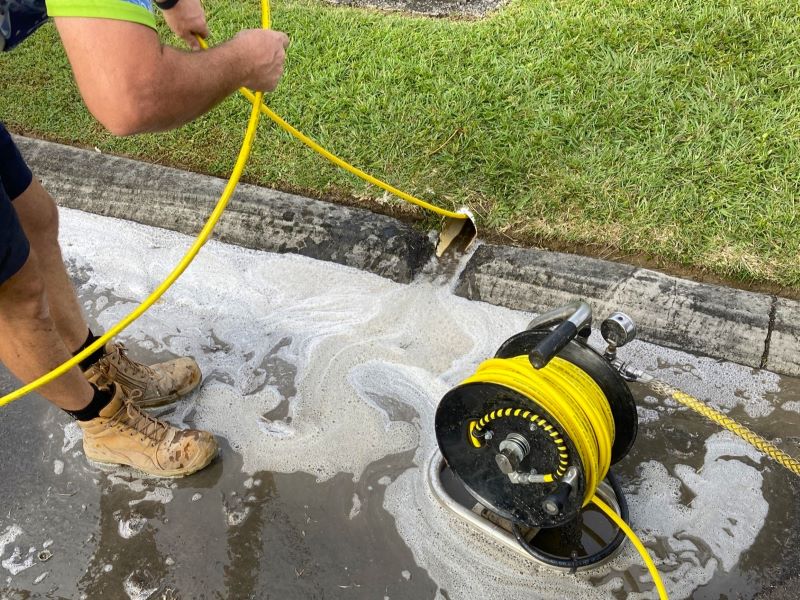
    Storm Water Drain

    Implement Proven Strategies for Optimal Maintenance of Traditional Stormwater Drains

    Traditional stormwater drains are indispensable features for most properties, designed to divert rainwater away from structures and mitigate the risk of flooding. However, over time, these systems can become clogged with debris such as leaves, dirt, and branches, which severely hinders their efficiency. To ensure that water flows freely and does not accumulate near your home’s foundation—potentially leading to significant structural damage—it is essential to engage in regular maintenance. By establishing a consistent upkeep routine, you can prolong the lifespan of your drainage systems and enhance their performance, particularly during heavy rainfall events when they are most needed.

    Essential Tips for Caring for Traditional Drains:

    • Regularly clear the grates and gutters: Proactively prevent water flow obstructions by routinely removing accumulated leaves and debris, particularly after storms when the buildup is most likely.
    • Monitor for pooling water: Stay vigilant for signs of water backing up or pooling near your drains, as these may indicate a blockage. Additionally, check for soggy areas in your garden that could signal underlying drainage problems requiring immediate attention.
    • Engage professional services: Scheduling routine inspections and cleanings with a qualified plumber, such as Creek to Coast, ensures that your drains function at optimal levels and helps you avoid future complications.

    Discover Best Practices for Maintaining French Drain Systems

    French drains are expertly designed to redirect groundwater away from your home and retaining walls, making them invaluable for moisture management in your yard. However, these underground systems require ongoing attention and care to prevent blockages. Constructed with gravel and a perforated pipe, French drains facilitate efficient water diversion, but they can become clogged with dirt, sediment, and even invasive roots over time. Adhering to proper maintenance practices is essential to ensure their longevity and operational effectiveness, preventing complications that could lead to costly repairs.

    Key Maintenance Tips for French Drains:

    • Watch for slow drainage: If water is not draining properly, this may indicate a clog that requires immediate attention to prevent further complications.
    • Regularly flush the system: Periodic flushing with water can help eliminate potential blockages before they escalate into severe issues disrupting drainage.
    • Seek professional cleaning services: If you notice sediment buildup or root intrusion, contact Creek to Coast for thorough cleaning services, potentially utilizing hydro-jetting tools to effectively clear the pipes.

    Adopt Key Practices for the Maintenance of Spoon Drains

    Spoon drains feature shallow, curved channels specifically designed to efficiently guide surface water away from driveways, patios, and other paved surfaces. While they typically require minimal upkeep, it is still crucial to tend to them regularly to prevent clogging. Neglecting to clear these channels can lead to water pooling on your property, resulting in potential damage over time. By adopting simple yet effective maintenance habits, you can ensure that your spoon drains remain functional and effective throughout the year.

    Maintenance Guidelines for Spoon Drains:

    • Keep the channel debris-free: Regularly sweeping out leaves, dirt, and other materials will help maintain smooth water flow. For thorough cleaning, a high-pressure washer can be particularly effective.
    • Check the slope: Ensure the slope of the spoon drain is intact and functioning as intended, as gravity plays a crucial role in directing water away from your property.
    • Inspect for damage: Regularly check the drain for cracks or breaks, as these can be compromised by vehicle traffic and may require prompt repair.
    • Seek professional evaluation: If you notice poor drainage, it may be time to call Creek to Coast for a professional assessment to make necessary adjustments or repairs, ensuring optimal function.

    Essential Steps for Maintaining Linear Drains

    Linear drains, often referred to as trench drains, are strategically installed in areas such as driveways and pool decks to capture surface runoff efficiently. While they excel in preventing water accumulation, they can accumulate debris over time, making regular cleaning necessary to maintain their effectiveness. Establishing a consistent cleaning routine is vital to prevent blockages that could lead to water pooling and damage in surrounding areas, ensuring their top performance and longevity.

    Maintenance Tips for Linear Drains:

    • Frequently clean the grates: Regularly monitor the grates for any buildup of dirt, leaves, or debris that could obstruct flow, and remove these blockages as needed.
    • Regularly flush the system: Running water through the drain routinely will help ensure it flows correctly and that no blockages are present, maintaining optimal performance.
    • Consider professional maintenance: If you encounter backups or slow drainage, don’t hesitate to reach out to Creek to Coast for expert cleaning services to effectively remove deep clogs and debris.

    Immediate Actions to Take When Facing Blocked Drains

    Despite your diligent maintenance efforts, blockages can still occur in any drainage system. Signs such as water pooling, slow drainage, or overflowing grates suggest that immediate action is necessary to prevent more severe complications. By understanding the common causes of blockages, you can effectively identify the issue and take appropriate measures to resolve it.

    Common Causes of Blockages Include:

    • Tree roots: Roots can invade underground pipes, creating significant blockages that disrupt water flow and drainage.
    • Accumulated debris: Leaves, dirt, and other environmental materials can build up over time, obstructing water passage through your drainage system.
    • Pipe damage: Broken or crushed pipes can severely restrict water flow, necessitating immediate professional intervention to restore proper drainage.

    When faced with a blockage, it is advisable to consult a professional plumber like Creek to Coast. They utilize advanced tools, such as high-pressure water jetters and CCTV cameras, to accurately diagnose and resolve the issue. Attempting to clear a blockage on your own can exacerbate the problem, especially if the pipes are damaged or roots have infiltrated the system.

    Clear Storm Water Drains

    Implement Comprehensive Strategies for Maintaining All Types of Stormwater Drains

    To ensure your stormwater management systems—whether traditional, French, spoon, or linear drains—continue to function effectively, consider implementing the following comprehensive strategies:

    • Schedule annual inspections and cleanings with a licensed plumber like Creek to Coast. This proactive approach helps to remove debris and identify potential problems before they escalate into major issues.
    • Monitor water flow: After heavy rainfall, inspect your drains for pooling or slow drainage, which could indicate underlying issues that need addressing to prevent future blockages.
    • Install gutter guards and grates to prevent larger debris from entering your drains, thereby reducing the frequency of blockages and the need for maintenance.
    • Maintain distance from plants and trees: Roots from nearby trees can invade and obstruct pipes, making it essential to keep vegetation at a safe distance from your stormwater systems.

    Regular plumbing maintenance and prompt responses to drainage issues are critical for protecting your property from water damage and ensuring your drainage systems operate smoothly and efficiently. If you notice any signs of blockage, do not hesitate to contact Creek to Coast for expert assistance in keeping your stormwater drains flowing seamlessly!

    The Article: Stormwater Clarity: Essential Drain Maintenance Tips first appeared on https://writebuff.com.

    The Article Drain Maintenance Tips for Stormwater Clarity Was Found On https://limitsofstrategy.com

  • Alcohol Consumption Risks in Extreme Cold Weather

    Alcohol Consumption Risks in Extreme Cold Weather

    Understand the Life-Threatening Risks of Alcohol Consumption in Freezing Temperatures

    As we endure the harsh realities of winter, particularly in extremely cold climates, our natural inclination to seek warmth can often lead us to consider alcohol as a comforting option. However, it is crucial to recognize the significant dangers linked to drinking alcohol in such frigid conditions. This article aims to illuminate the various hazards associated with alcohol consumption during winter, stressing why this habit can be not only perilous but also ineffective for maintaining the necessary body heat. By gaining a deeper understanding of these risks, you can make informed choices that prioritize your safety and well-being when faced with the dangers of winter weather.

    Before we explore the associated dangers, it is important to dispel the common myth that alcohol can act as a warming agent. When consumed, alcohol causes the dilation of blood vessels near the skin’s surface, creating a misleading sensation of warmth. Although this feeling may be temporarily comforting, it fails to provide the essential support needed for maintaining a stable internal body temperature. In reality, the effects of alcohol pose serious risks, potentially impairing your ability to withstand cold weather and greatly increasing the likelihood of experiencing severe conditions such as hypothermia and other critical health issues.

    Drinking Alcohol in Extremely Cold WeatherOne of the most alarming dangers associated with alcohol consumption in cold environments is the heightened risk of dehydration. Alcohol acts as a known diuretic, which increases urine production and leads to significant fluid loss. Additionally, the cold air prevalent in winter conditions tends to be drier, causing our bodies to lose moisture more quickly. When these elements combine, it can result in dangerously low hydration levels, which are vital for sustaining overall health and survival. Dehydration can adversely affect not only physical performance but also cognitive functions, leading to challenges in clear thinking and rational decision-making in critical situations.

    Recognize How Alcohol Affects Judgment and Awareness in Cold Environments

    Another crucial consequence of alcohol consumption is its detrimental effect on cognitive function and decision-making abilities. In survival situations, the capacity to make clear, rational decisions is essential for ensuring personal safety. Unfortunately, alcohol can cloud judgment, making it increasingly challenging to respond appropriately to potential hazards. This impaired reasoning can lead to accidents and poor choices, which are particularly dangerous when navigating extreme cold. Maintaining awareness and vigilance about one’s surroundings is vital; however, alcohol undermines this necessity, resulting in a greater likelihood of errors that could jeopardize personal safety.

    Moreover, alcohol significantly disrupts the body’s natural mechanisms for regulating temperature. Upon consumption, alcohol causes blood vessels in the skin to expand, which leads to increased heat loss. Despite the initial sensation of warmth, over time, it accelerates the loss of core body heat, which is essential for survival. This creates a perilous cycle where the fleeting warmth ultimately leads to a rapid decrease in core temperature, thereby elevating the risk of life-threatening conditions such as hypothermia. It is essential to acknowledge that while alcohol might offer a momentary escape from the cold, it ultimately increases vulnerability to severe cold-related health issues.

    Explore the Alarming Link Between Alcohol Consumption and Hypothermia Risks

    When discussing the dangers of hypothermia, it is vital to comprehend how alcohol consumption can mask the early warning signs of this serious condition. Hypothermia occurs when the body’s core temperature drops below the normal range, typically below 95 degrees Fahrenheit (35 degrees Celsius). Common symptoms include shivering, confusion, fatigue, and reduced coordination. However, alcohol suppresses our body’s natural responses, making it increasingly difficult to recognize these critical indicators. By the time the signs of hypothermia become apparent, it may already be too late to prevent severe injury or even fatal consequences.

    In winter survival scenarios, several safer and more effective alternatives exist for maintaining body warmth without the risks associated with alcohol consumption. Here are some strategies that can significantly enhance your ability to stay warm and safe:

    1. Dress in Layers for Optimal Warmth: Donning multiple layers of clothing is crucial for effectively trapping warm air. Start with thermal base layers to wick away moisture, add insulating mid-layers for warmth, and finish with a windproof and waterproof outer layer to create a protective barrier against the elements.

    2. Ensure Your Clothing and Footwear Remain Dry: Moisture can lead to rapid heat loss, so it’s essential to keep your clothing and footwear dry at all times. Opt for waterproof materials and change into dry garments whenever necessary to maintain warmth and comfort.

    3. Insulate Yourself from the Cold Ground: Utilizing sleeping mats or insulation pads can drastically reduce heat loss, particularly during sleep. This step is vital for conserving body heat during prolonged periods spent in cold conditions.

    4. Choose Warm, Non-Alcoholic Beverages: Instead of turning to alcohol, consider indulging in hot beverages like tea, coffee, or hot chocolate. These drinks provide warmth without the adverse effects linked to alcohol consumption, helping to keep your body temperature stable.

    5. Seek or Construct Shelter for Optimal Protection: Actively pursuing or building a shelter can significantly reduce exposure to harsh winds and freezing temperatures. A well-constructed shelter is essential for retaining body heat, greatly improving your chances of staying warm and safe.

    6. Fuel Your Body with High-Calorie Foods: Consuming nutrient-rich foods that are high in calories can equip your body with the energy necessary to generate heat. Foods such as nuts and fatty fish serve as excellent sources of healthy fats that can be particularly beneficial in cold conditions.

    Grasping the risks associated with alcohol consumption in freezing temperatures is vital for anyone engaged in winter survival scenarios. Despite the temporary sensation of warmth, alcohol can lead to dehydration, impaired decision-making, hindered temperature regulation, and can obscure the symptoms of hypothermia. By avoiding alcohol and embracing safe, effective strategies, we can enhance our chances of thriving in harsh winter environments. Stay alert, prepare thoroughly, and prioritize your safety above all else.

    The post Hazards of Alcohol Consumption in Extreme Cold Conditions appeared first on Survival Bite.

    The Article Alcohol Consumption Hazards in Extreme Cold Conditions Was Found On https://limitsofstrategy.com

  • Snow Blindness: Understanding Its Causes and Effects

    Snow Blindness: Understanding Its Causes and Effects

    Essential Strategies to Protect Your Eyesight: A Deep Dive into Snow Blindness Awareness and Prevention

    As winter’s enchanting season arrives, transforming our surroundings into breathtaking white landscapes, it’s crucial to remain vigilant about the potential risks associated with outdoor winter activities. Among these risks, snow blindness stands out as a significant concern. This temporary yet intensely painful condition results from prolonged exposure to ultraviolet (UV) rays that bounce off the pristine snow. This comprehensive guide delves into the complex science behind snow blindness, elucidates the visual impact of sunlight on snow-covered surfaces, and offers practical prevention tips, accurate diagnostic methods, and effective treatment options. By understanding the causes and implementing protective strategies, we can enjoy the splendor of winter while safeguarding our eye health.

    avoid snow blindness

    Unpacking the Medical Definition and Primary Causes of Snow Blindness

    The clinical term for snow blindness is photokeratitis, which denotes a temporary injury to the cornea, the eye’s outermost layer. This distressing condition typically arises from excessive exposure to high levels of ultraviolet (UV) radiation, especially the rays that reflect off snow-covered surfaces. The bright sunlight, particularly at higher elevations where the atmosphere is thinner, can lead to significant discomfort and, in some instances, even persistent vision problems. While snow blindness often resolves on its own within a short period, understanding its underlying causes is vital for implementing effective prevention and management strategies that can mitigate the risk of future occurrences.

    Analyzing the Impact of Sunlight on Snowy Environments and Vision Clarity

    To grasp the complexities of snow blindness, it’s essential to examine how sunlight interacts with snow surfaces. Sunlight penetrates the atmosphere and encompasses a range of wavelengths, including harmful ultraviolet radiation. When these rays hit a snow-covered landscape, snow’s unique reflective qualities can bounce back up to 80% of these UV wavelengths, significantly increasing exposure levels. This effect is particularly pronounced in elevated regions where the atmosphere’s filtering capacity against UV radiation is reduced. Consequently, the eyes may quickly become overwhelmed by excessive UV exposure, resulting in potential damage to crucial eye structures, including the cornea and conjunctiva, ultimately threatening vision clarity.

    Recognizing the Symptoms of Snow Blindness for Prompt Action

    The symptoms of snow blindness usually manifest several hours after individuals have been exposed to intense UV light. Although the severity of symptoms can vary widely from person to person, common indicators include:

    Eye discomfort and pain: Many people describe a gritty sensation or the feeling of having foreign particles in their eyes.
    Redness and swelling: The eyes may appear bloodshot, and the eyelids can become swollen and inflamed.
    Excessive tearing: Increased tear production occurs as the eyes attempt to flush out irritants and alleviate discomfort.
    Blurred vision: Tasks requiring sharp vision, such as reading or driving, may become increasingly difficult due to distortion.
    Heightened light sensitivity: Increased sensitivity to light, known as photophobia, often accompanies headaches.
    Visual halos: Some individuals may perceive bright rings or halos around light sources, adding to visual confusion.

    Implementing Preventive Strategies to Safeguard Your Eyes from Snow Blindness

    When it comes to protecting your eyes from the detrimental effects of UV radiation, proactive measures are always more effective than reactive solutions. Here are several practical strategies to minimize the risk of snow blindness:

    Opt for suitable eyewear: Always select goggles or sunglasses that provide 100% UV protection when engaging in snowy activities. Look for eyewear marked with UV400 or 100% UV protection for optimal safety.
    Choose wraparound designs: Select sunglasses or goggles that wrap around your face to offer comprehensive protection against both direct sunlight and peripheral UV exposure.
    Wear wide-brimmed hats: Hats with wide brims or neck flaps can provide additional shade, significantly reducing UV radiation exposure to your eyes.
    Monitor the UV Index: Before participating in outdoor activities, check the local UV Index, which forecasts daily UV radiation levels. Limit sun exposure during peak hours, typically between 10 AM and 4 PM.
    Apply sunscreen: Although it might seem unrelated, applying sunscreen around your face and eyes can significantly decrease UV radiation exposure, enhancing overall protection.
    Schedule regular breaks indoors: If you’ll be spending extended time in snowy areas, make it a habit to take regular breaks indoors. This practice allows your eyes to rest and recuperate from bright light exposure.

    Effective Relief Techniques to Alleviate Snow Blindness Symptoms

    If you find yourself experiencing the discomfort of snow blindness despite your preventive efforts, several strategies can help ease symptoms and promote recovery:

    Seek shade immediately: Retreat to a darkened area or indoors to protect your eyes from further UV exposure.
    Remove contact lenses: If you wear contact lenses, take them out to prevent additional irritation and facilitate recovery.
    Apply cold compresses: Gently placing a cold, damp towel over closed eyes can effectively soothe discomfort and reduce inflammation.
    Use artificial tears: Over-the-counter artificial tears can provide temporary relief, keeping your eyes lubricated and alleviating dryness caused by snow blindness.
    Avoid bright lights: Minimize exposure to intense light sources, including screens and overhead lights, to lessen the impact of photophobia during recovery.
    Rest your eyes: Engage in activities that minimize visual strain, avoiding reading or screen time, to give your eyes the essential time they need to heal.

    Determining When to Consult a Healthcare Professional for Snow Blindness

    In most instances, the symptoms of snow blindness will begin to subside within 24 to 48 hours as the cornea heals. However, it is crucial to seek medical attention if symptoms worsen or persist, as delays in treatment could lead to complications or secondary infections that may affect vision.

    Experiencing snow blindness can significantly hinder the enjoyment of winter activities; however, with the right knowledge and precautionary measures, we can substantially mitigate the risk while appreciating the beauty of snowy landscapes. Stay informed about UV radiation levels, take regular breaks in shaded areas, and always wear protective eyewear. If you encounter any symptoms, seek relief promptly and consult a healthcare professional if necessary. By prioritizing eye safety, you can fully embrace the winter wonderland and create cherished memories without compromising your vision. Enjoy your winter adventures responsibly!

    The post Snow Blindness: Understanding Its Causes and Effects appeared first on Survival Bite.

    The Article Snow Blindness Causes and Effects Explained Was Found On https://limitsofstrategy.com

  • Safe Driving in New York: Key Rules and Regulations

    Safe Driving in New York: Key Rules and Regulations

    To successfully navigate the lively streets of New York City, it is essential to understand the unique challenges associated with driving in such a vibrant metropolis. Operating a vehicle in the Empire State requires adapting to heavy traffic conditions and adhering to strict traffic regulations designed to ensure the safety of all road users. It is vital to familiarize yourself with local driving laws, such as the 25 mph speed limit in urban areas and the complete prohibition on handheld devices while driving. Whether you’re exploring the iconic grid layout of Manhattan or traveling through the scenic upstate regions, having a thorough understanding of New York’s driving regulations will empower you to navigate its diverse roadways with confidence and remain safe on New York’s dynamic streets.

    Rent a Car Online with 20% OFF Now

    Essential Driving Regulations Every New York Driver Must Follow

    In New York, understanding and following fundamental driving regulations is critical for ensuring safety on the road. Always drive on the right side of the road, keeping a safe distance from the vehicle in front of you, and remember to use your turn signals when making lane changes. Your vehicle should be equipped with functioning headlights, taillights, and brake lights to ensure visibility and effectively communicate your intentions to other drivers. Additionally, seat belts are mandatory for all passengers, and children under eight years old must be secured in appropriate child restraint systems. These regulations not only enhance your safety but also promote a culture of responsibility and awareness on the road, ultimately improving the overall driving experience for everyone.

    Comprehending Speed Limits and Compliance with Traffic Signals

    Speed limits in New York are diverse and vary significantly based on the location. The 25 mph speed limit is the default in New York City, unless otherwise indicated by posted signs, while highways generally allow speeds ranging from 55 to 65 mph. It’s crucial to come to a complete stop at red lights and stop signs, as this is a fundamental aspect of safe driving. In the bustling NYC environment, right turns on red are prohibited unless there is a specific sign permitting them. Moreover, intersections and school zones are actively monitored by traffic cameras to ensure compliance, emphasizing the importance of vigilance and adherence to all traffic signals for the safety of all road users.

    Prioritizing Pedestrian Safety and Understanding Right-of-Way Laws

    In addition to standard traffic laws, it’s imperative to always yield to pedestrians in crosswalks, irrespective of whether they are marked or unmarked. This responsibility also extends to stopping for school buses displaying flashing red lights and yielding to emergency vehicles. Failing to yield to pedestrians can result in hefty fines and points on your license, which can adversely affect your driving record. It’s essential to exercise caution in school zones and residential areas, where pedestrian traffic is typically higher. Remember that pedestrians have the right-of-way when crossing with the signal, and you must remain stopped until they have completely crossed the street. Avoid blocking crosswalks or intersections, even temporarily, to ensure the safety of all road users.

    Furthermore, it is vital to acknowledge that the responsibility for pedestrian safety lies heavily on drivers, particularly in areas with significant foot traffic. This means being especially vigilant during peak hours when children are arriving or leaving school. Always be on the lookout for pedestrians who may unexpectedly enter the roadway, and be prepared to stop. By prioritizing pedestrian safety, you contribute to a more secure driving environment for everyone, enhancing the overall safety of New York’s streets.

    Ensuring Your Vehicle Meets Safety and Compliance Standards

    Before hitting the busy streets of New York, it’s essential that your vehicle meets specific state safety requirements to ensure compliance. Regular maintenance is crucial, which includes ensuring that your car has functional headlights, properly inflated tires, and well-maintained brakes. The New York Department of Motor Vehicles (DMV) mandates annual safety inspections for all registered vehicles to verify that they meet established safety standards, which is vital for the well-being of all drivers and passengers on the road. Staying proactive about these requirements not only helps you avoid penalties but also enhances your vehicle’s performance and reliability, ensuring a safer driving experience.

    Understanding Registration and Insurance Requirements for Vehicles

    Every legal vehicle operating in New York must have the proper documentation, which includes maintaining minimum liability insurance coverage of $25,000/$50,000 for bodily injury and $10,000 for property damage. Keeping your vehicle registration current is also essential, and you must display valid inspection stickers on your windshield as proof of compliance. Failure to meet these requirements can lead to hefty fines and even license suspension, complicating your ability to drive legally. By ensuring that all documentation is in order, you protect yourself against potential legal issues and ensure a smoother, more compliant driving experience in New York.

    Meeting New York’s Comprehensive Safety Equipment Standards

    In addition to registration, ensuring that your vehicle complies with New York’s safety equipment standards is crucial for legal operation on the roads. Your vehicle must be equipped with functioning headlights, brake lights, turn signals, and windshield wipers to enhance visibility and facilitate communication with other drivers. The state mandates that vehicles also have functional seat belts, mirrors, and a horn. These safety measures are vital for protecting your safety and that of others on the road. Furthermore, New York’s equipment regulations go beyond basic requirements, including maintaining proper emission standards and undergoing regular smog checks to minimize environmental impact. Regularly checking these components will help ensure that your vehicle is safe and compliant with state laws.

    Moreover, it is important to routinely inspect your vehicle for adequate tire tread depth, properly functioning brakes, and working defrosters to prepare for varying weather conditions. Additionally, having emergency equipment such as hazard lights and reflectors readily available is essential for unexpected situations. By adhering to these safety equipment standards, you not only comply with the law but also contribute to a safer driving environment for everyone on the road, fostering a culture of accountability and safety.

    Effectively Navigating Special Zones and Local Restrictions

    When driving in New York, it is crucial to exercise extra caution and comply with specific local regulations in designated zones. Certain areas, such as school zones, construction sites, and residential neighborhoods, have their own unique set of rules that must be strictly followed. Violating regulations in these areas can lead to significant fines, ranging from $90 to $600, depending on the severity of the infraction. Understanding and respecting these local rules is essential for ensuring the safety of all road users and maintaining a harmonious driving environment, contributing to the overall well-being of the community.

    Exercising Caution in School and Work Zones

    School and work zones require heightened attention while driving. In these areas, you must reduce your speed to 15-20 mph during school hours, ensuring the safety of vulnerable pedestrians, especially children. In work zones, it is essential to adhere to posted speed limits and maintain a safe distance from construction workers. Fines for speeding in these zones are often doubled, underscoring the importance of heightened safety awareness. By remaining vigilant and following the rules in these zones, you play a crucial role in protecting those who are most at risk on the road.

    Crucial Parking Regulations to Avoid Costly Fines

    Understanding the vital parking rules in New York is essential to avoid unnecessary fines and inconveniences. Alternate-side parking regulations are enforced in most areas, so it is vital to carefully observe posted signs indicating specific days and times for parking restrictions. Metered parking zones are prevalent throughout the city, with rates varying by location and time of day, making it crucial to always check the meter. Additionally, comply with the strict enforcement of fire hydrant clearance (a minimum of 15 feet) and avoid no-standing zones near intersections.

    Moreover, being aware of residential permit requirements in certain neighborhoods is critical to prevent parking violations. Failure to comply with these regulations can lead to tickets ranging from $65 to $115, and your vehicle may be towed if you block essential services or create safety hazards. Staying informed and compliant with parking regulations will save you from costly fines and ensure a smoother experience while driving in New York, promoting a culture of respect for shared roadways.


    Essential Driver’s License Requirements in New York

    Having a valid driver’s license is essential for legal driving in New York. To operate a vehicle, you must be at least 16 years old and possess either a New York State driver’s license or a valid out-of-state license. If you are a first-time driver, completing a state-approved driver education course and passing both written and road tests is mandatory. These requirements are designed to ensure that all drivers are adequately equipped to navigate New York’s complex roadways safely and responsibly.

    Diving into New York Driver’s License Classifications

    One of the most critical aspects of driving in New York is understanding the various license classifications. Class D serves as the standard license for passenger vehicles, while commercial driver’s licenses (CDL) range from Class A to C, each with specific privileges and restrictions regarding the types of vehicles you can legally operate. Knowing the differences between license classes is vital to ensure you have the proper credentials for the vehicle you intend to drive, thus avoiding potential legal issues and contributing to road safety.

    Out-of-State License Guidelines for New Residents and Visitors

    If you hold an out-of-state license, it remains valid for up to 30 days after establishing residency in New York. As a tourist or temporary resident, you can legally drive with your home state’s license. International visitors must possess a valid foreign license alongside an International Driving Permit to drive legally in New York. Additionally, specific rules apply to military personnel and their families, allowing them to maintain their home-state licenses while stationed in New York. If you become a permanent resident, you must exchange your out-of-state license within 30 days by visiting a DMV office and passing a written test to ensure compliance with state regulations.

    Implementing Effective Safety Measures While Driving in New York

    For your safety on New York roads, adhering to strict traffic regulations and maintaining constant awareness of your surroundings is paramount. Your vehicle should be equipped with essential safety features, including functional headlights, taillights, turn signals, and properly inflated tires. Regular vehicle maintenance is crucial for safe driving, particularly in New York’s demanding traffic conditions. By prioritizing these safety measures, you can significantly reduce the risk of accidents and ensure a safer driving experience while navigating the bustling streets of the city.

    Child Safety Requirements to Protect Young Passengers on the Road

    To safeguard young passengers, any child under eight years old must be secured in an appropriate child restraint system. Children under two years of age are required to ride in a rear-facing car seat, while those between the ages of two and four must use a forward-facing car seat. For children aged four to eight, booster seats are necessary to ensure their safety. Violations of these requirements can result in fines of up to $100 and three penalty points on your license. By enforcing these child safety measures, you contribute to the protection of our youngest and most vulnerable passengers on the road, creating a more secure environment for all.

    Seatbelt Compliance and Regulations on Mobile Device Usage

    To enhance safety for you and your passengers, mandatory seatbelt use for all vehicle occupants is enforced in New York. It is essential to ensure that everyone in the vehicle is buckled up, regardless of their seating position. The use of handheld devices while driving is strictly prohibited, with fines ranging from $50 to $450 for violations, depending on whether it is a repeat offense. Remember, even a momentary distraction can lead to severe consequences on New York roads, which are often filled with unpredictable traffic.

    Your first violation of mobile device laws results in five driver violation points, and subsequent offenses may lead to license suspension. Although hands-free devices are permitted, it’s advisable to minimize their use to maintain focused attention on the road. By adhering to these regulations, you not only protect yourself but also contribute to the overall safety of the driving environment in New York, fostering a culture of responsible driving.

    Being Aware of Traffic Violations and Their Consequences

    Navigating New York’s traffic laws necessitates your constant vigilance and attention to detail. The city enforces strict compliance with traffic regulations, with violations leading to severe consequences. Understanding these rules is not solely about avoiding fines; it’s also critical for maintaining road safety for everyone involved. Being aware of potential infractions can significantly reduce your risk of accidents and legal issues, contributing to a safer driving environment.

    Identifying Common Traffic Infractions in New York

    Some of the most common violations on New York streets include speeding (especially in school zones), running red lights, using mobile phones illegally, and making improper turns. The likelihood of enforcement is high, as the city employs both traditional police patrols and automated enforcement systems to monitor compliance. Recent statistics indicate that speed cameras alone issued over 4 million violations in 2022, highlighting the importance of adhering to speed limits and traffic signals to avoid penalties and maintain road safety.

    Understanding Penalties, Fines, and Their Implications for Drivers

    When it comes to penalties for traffic violations, first-time offenders may face fines ranging from $50 to $1,000, depending on the nature of the offense. The New York DMV operates on a point system, where accumulating 11 points within 18 months can lead to license suspension. Additionally, your insurance rates may significantly increase following any violations, impacting your financial standing. It’s crucial to recognize that New York employs a graduated penalty system, meaning that repeat offenses result in progressively severe consequences. Violations can remain on your driving record for up to four years, potentially affecting your insurance rates and driving privileges. The state’s zero-tolerance policy for DUI offenses can lead to immediate license suspension and mandatory court appearances, underscoring the need for responsible driving practices and adherence to the law.

    Key Takeaways for Safe Driving in New York

    Driving in New York requires your full attention and adherence to a variety of specific regulations. Your safety, as well as that of others, relies on following speed limits, yielding to pedestrians, and ensuring proper child restraints. You can find well-maintained vehicles that meet all safety requirements through RentaCar24.org, allowing you to navigate the city with confidence. By staying informed about local traffic laws and keeping these essential guidelines in mind, you’ll be well-equipped to handle the challenges of New York’s busy streets. Understanding and respecting these regulations will contribute to a smoother and safer driving experience throughout the Empire State, enhancing the overall safety of the community.

    The Article: Driving in New York: Essential Rules and Regulations for Safe Travel appeared first on https://rentacar24.org/


    The Article Essential Rules and Regulations for Safe Driving in New York Was Found On https://limitsofstrategy.com

  • Mould Growth Speed: Essential Insights Post-Water Damage

    Mould Growth Speed: Essential Insights Post-Water Damage

    Mould can proliferate at an alarming pace within your home after experiencing water damage, especially in conditions marked by high humidity, inadequate ventilation, and insufficient sunlight. This pervasive issue affects numerous Australian residences, and if not addressed promptly, it can lead to significant repair costs and serious health risks. By learning to recognize the early signs of mould growth, homeowners can act decisively to mitigate these dangers before they worsen. Taking proactive measures not only safeguards your property but also helps ensure a healthy living environment for you and your family.

    As we know, mould is an undesirable presence in our homes, posing significant health risks to all residents, particularly those with pre-existing respiratory conditions. Mould can spread rapidly when exposed to excessive moisture, making it crucial to recognize this threat early. Understanding the speed at which mould can develop empowers homeowners to adopt preventive strategies against potential water damage and its accompanying complications, thus promoting a safer and healthier living space for everyone.

    This article will furnish you with essential insights concerning the rapid growth of mould following a water-related incident. We will investigate the underlying causes of this phenomenon and provide a clear outline of the necessary steps to take if you find yourself facing this challenging situation. Join us as we delve into the swift development of mould and the effective actions you can take to manage it!

    Mould Removal Water Damage7 1536x865 1

    How to Effectively Recognize the Signs of Mould Infestation in Your Home

    Mould is a type of fungus that can flourish in your home if certain preventative strategies are not put in place. It typically appears as a slimy, unpleasant-smelling growth, often in shades of green or black. These fungi thrive in moist environments, making areas that have suffered from water damage or those with high humidity levels particularly prone to mould infestations. Early recognition of these conditions is essential for successful remediation and safeguarding your home.

    There are several unmistakable indicators that suggest mould has taken hold in your living space.

    • A musty odour is one of the most prevalent signs of mould presence, clearly indicating that it may be growing in hidden areas and requiring immediate attention!
    • Another significant symptom is the appearance of discolouration on walls or flooring. Mould often presents irregular patterns and may appear darker than adjacent surfaces, signaling the urgent need for further investigation.
    • Keep an eye out for any warping or bubbling of paint or wallpaper; this can be a strong indicator of underlying water damage and the potential for mould growth.

    If any of these warning signs are evident, seeking professional assistance promptly is crucial. Experts can carry out a comprehensive assessment of the situation and offer guidance on how to manage any existing mould effectively. Remember, the quicker you act, the easier and more cost-effective it will be to control mould growth, rather than trying to eliminate it once it has established itself in your home.

    Understanding the Types of Water Damage That Encourage Mould Growth

    While mould poses a significant threat to homeowners, grasping its root causes is vital for effective prevention. By identifying the various sources of water damage that contribute to mould proliferation, you can better safeguard your living environment and maintain a healthy atmosphere for you and your loved ones.

    Numerous factors can catalyze mould growth following water damage. Even small leaks can create ideal conditions for mould spores to thrive and multiply. Areas lacking adequate airflow or ventilation are at a heightened risk for mould proliferation, as stagnant air can trap moisture. Additionally, damp spaces like crawl spaces or roof cavities with elevated humidity levels are especially vulnerable to mould infestations, making regular inspections crucial.

    Fortunately, you can take simple yet effective actions to prevent serious mould issues. Regularly inspecting your home for signs of moisture or water damage and maintaining low humidity levels can significantly lower the risk of mould growth. Don’t wait for the situation to escalate—take proactive steps now to protect your family’s health and ensure peace of mind in your home.

    Examining the Conditions That Facilitate Rapid Mould Proliferation

    Having established that water damage and specific environmental conditions can lead to mould growth, let’s discuss how quickly this process can occur.

    Under optimal conditions, mould can proliferate at a staggering rate. In fact, mould spores can colonize a damp surface within as little as 24 to 48 hours! This rapid growth can have severe implications for both your health and property, making it crucial to act swiftly when signs appear.

    What specific conditions contribute to this rapid mould proliferation? Mould requires certain elements to thrive, including:

    • Moisture: Mould flourishes in damp environments; therefore, high humidity levels or wet surfaces are prime conditions for its growth.
    • Temperature: Most mould species thrive in warm temperatures, typically between 16 °C and 27 °C, though some can even grow at lower temperatures.
    • Nutrients: Mould relies on organic materials to survive—these can include wood, paper, drywall, and textiles often found in homes.
    • Darkness: Mould can thrive in dark areas and does not require sunlight for growth, making poorly lit spaces particularly susceptible.
    • Airflow: Insufficient ventilation can lead to elevated moisture levels, creating an environment conducive to mould growth.
    • Time: Given the right conditions, mould can grow and spread rapidly, underscoring the importance of vigilance and prompt action.

    To effectively prevent mould growth, it is essential to control moisture levels within your home, ensure adequate ventilation, and seek the expertise of skilled technicians to promptly address any instances of water damage or leaks.

    Effective Strategies for Mould Remediation and Prevention

    Now that we understand the risks associated with mould growth, let’s explore thorough methods for addressing and preventing it. The first critical step is to identify and remediate any water damage as comprehensively as possible. This includes repairing leaky pipes, ensuring that your gutters are functioning efficiently, and investigating any other potential sources of hidden moisture.

    Once you’ve addressed these immediate concerns, consider investing in a whirlybird ventilation system or an air conditioning unit to maintain low humidity levels and deter future mould growth. This proactive approach can spare you from costly repairs in the future.

    Additionally, maintain a vigilant watch on your home in the weeks following remediation. If you notice any early signs of mould re-emerging, do not hesitate to consult a professional for advice. The sooner you address potential issues, the better! Ultimately, preventing mould from developing in the first place is far more effective than dealing with its consequences.

    Plastering5

    The Importance of Hiring Professional Mould Inspection and Testing Services

    If you are uncertain about the mould situation in your home, seeking professional assistance can provide invaluable peace of mind. Experts equipped with specialized knowledge and tools can quickly identify hidden mould growth, helping you address potential problems before they escalate into significant issues that could threaten your health and safety.

    If mould has already taken hold, there’s no need to panic—professional remediation services are available to help eliminate existing mould colonies. These qualified specialists utilize industrial-strength cleaners and advanced techniques to ensure your home is safe once again, alleviating concerns about long-term damage and health risks. Many companies even offer free estimates for their services, enabling you to avoid unexpected costs and feel confident in your decisions.

    If you suspect mould lurking in your home, do not hesitate to seek professional help. Prompt action could save you money and create a healthier, stress-free environment for you and your family!

    Trustworthy Mould Remediation Services from The Mould Removers

    If you are facing a mould issue, it’s crucial not to resort to do-it-yourself methods. Instead, reach out to the skilled mould removal professionals at The Mould Removers. Their expertise in mould remediation ensures not only effective removal but also your safety throughout the entire process.

    With their extensive knowledge and experience in mould removal services, you can have confidence that harmful mould colonies will not return anytime soon. Don’t hesitate—call now to address your mould concerns and reclaim the comfort and safety of your home!

    The Article: Mould Growth Speed After Water Damage: What to Know first appeared on https://writebuff.com.

    The Article Mould Growth Speed: Key Insights After Water Damage Was Found On https://limitsofstrategy.com

  • Power Poles: Key Insights for Melbourne Property Owners

    Power Poles: Key Insights for Melbourne Property Owners

    As the suburban landscape of Melbourne continues to grow, many properties in the western suburbs, including Werribee, Hoppers Crossing, Sunbury, Mickleham, and nearby areas, increasingly depend on private power poles to fulfill their electrical needs. These structures play a crucial role in ensuring consistent and safe electricity access, particularly in regions where traditional grid connections are not practical. For local homeowners, understanding the significance and functionality of these poles is essential for maintaining a reliable electrical system.

    For property owners in these areas, it is vital to comprehend the responsibilities associated with the proper maintenance and compliance of your private power pole system. In Melbourne, legislation stipulates that property owners are responsible for the care and safety of any private power poles located on their property. As these poles age and near the end of their operational lifespan, being well-informed and proactive can significantly mitigate the risks of hazards, unexpected power outages, and unforeseen financial liabilities resulting from neglect or oversight.

    Understanding the Critical Role of Private Power Poles in Your Electrical System

    Private power poles are essential installations on private properties that bridge the gap between the main power supply and buildings located further away from public streets or in more rural environments. These structures facilitate the safe and efficient delivery of electricity across distances that would otherwise complicate standard electrical connections. Many residences in Melbourne’s western suburbs, particularly those on larger properties, heavily rely on these poles for consistent and dependable electricity access. Their significance becomes especially evident in areas where conventional connections are not feasible or practical.

    However, since private poles are situated on private land, the responsibility for their upkeep and safety falls entirely on the property owner. This responsibility includes all aspects of installation, regular inspections, ongoing maintenance, and necessary pole replacements to ensure adherence to Victoria’s stringent electrical safety standards. This highlights the importance of vigilance in managing these critical assets to prevent safety hazards and ensure reliable service.

    Request Your Free Quote Today!
    Explore Our Complimentary Electrical Inspection Services

    Navigating Your Legal Obligations for Power Pole Maintenance and Safety

    In Melbourne, property owners with private power poles must adhere to strict regulations established by Energy Safe Victoria (ESV) and Australian Standards AS/NZS 3000, commonly known as the “Wiring Rules.” These regulations require that private poles receive routine maintenance to mitigate electrical hazards. Neglecting to maintain a private pole can expose property owners to significant legal liabilities, especially in cases where such neglect leads to injuries, property damage, or fire incidents.

    Property owners are responsible for several key maintenance duties, including:

    • Conducting Regular Inspections: It is essential for licensed electricians, like those at Electrx Electricians, to carry out regular inspections of private poles, as they are well-versed in Melbourne’s standards and unique environmental challenges.
    • Managing Tree Growth: Surrounding vegetation must be regularly trimmed to prevent interference with power lines, particularly in fire-prone areas.
    • Addressing Repairs and Replacements: Any signs of deterioration, such as corrosion, leaning, or structural weaknesses, must be promptly addressed to maintain safety and compliance.

    In Melbourne, local councils may conduct periodic inspections or issue notices regarding the maintenance of private poles if they observe potential issues. Nonetheless, the ultimate responsibility for compliance rests solely with the property owner, which underscores the importance of proactive management to ensure the safety and reliability of their electrical systems.

    Assessing the Lifespan and Condition of Your Private Power Poles in Melbourne

    Private power poles generally have a lifespan ranging from twenty to forty years, with their longevity influenced by the materials used, exposure to varying weather conditions, and the extent of maintenance they receive. Properties with expansive acreage, such as those in Werribee, Mickleham, and Hoppers Crossing, are beginning to witness their poles reaching this critical milestone, highlighting the urgent need for property owners to assess their condition. Wooden poles, often found in rural and semi-rural areas, are especially vulnerable to issues like rot, termite infestations, and deterioration due to harsh weather. Conversely, steel poles may experience corrosion over time, necessitating diligent monitoring and maintenance.

    At Electrx Electricians, we provide comprehensive services to assist property owners in Melbourne’s western suburbs in evaluating the condition of their power poles. Our expert team can help you proactively plan for essential maintenance or timely replacement, ensuring the reliability and safety of your electrical systems.

    Identifying Signs That Your Power Pole Requires Urgent Attention

    Keeping your private power pole in excellent condition is not only a legal obligation but also a critical safety measure for your property. Here are some key warning signs indicating that your power pole may need inspection or replacement:

    • Presence of Leaning or Instability: A leaning pole typically indicates a compromised foundation or structural damage that requires immediate attention to avert potential hazards.
    • Visible Corrosion or Rot: If wooden poles exhibit signs of rot or metal poles show corrosion, urgent intervention is necessary to maintain safety and compliance.
    • Sagging Power Lines: Power lines that sag between poles may require inspection to prevent potential electrical hazards.
    • Encroaching Vegetation: Plants and trees growing too close to or into the pole can disrupt power lines and increase fire risks, necessitating timely management.

    If you observe any of these concerning signs, reach out to Electrx Electricians for a thorough inspection to assess compliance and ensure ongoing safety for your property.

    Mebourne Electrcians Near Me25

    How Electrx Electricians Enhance Your Private Power Pole Maintenance Experience

    Electrx Electricians, based in Laverton North, proudly serve all areas of western Melbourne. With over 280 five-star reviews on Google, we genuinely prioritize customer satisfaction! Our comprehensive range of services related to private power poles covers all aspects, from installation to replacement. Our operations strictly adhere to Melbourne’s electrical regulations and standards, and our licensed professionals are dedicated to helping you maintain a proactive approach through regular inspections and scheduled maintenance.

    Our Electrical Services include:

    • Pole Inspections: Thorough evaluations of your pole’s structural integrity and electrical safety, ensuring compliance with current standards.
    • Replacement Services: Safe removal and replacement of aging poles to guarantee your power system remains reliable and compliant.
    • Managing Vegetation: Expert management of plant life surrounding power lines to minimize risks of electrical fires or service interruptions.
    • 24/7 Emergency Services: We provide immediate assistance for storm damage or urgent pole repairs, ensuring your safety around the clock.

    Safeguard Your Property with Proactive Power Pole Maintenance Strategies

    Maintaining a private power pole on your property is not just a legal requirement; it is also a crucial safety measure in Melbourne. With Electrx Electricians as your trusted partner, you can ensure that your property remains compliant with Victoria’s electrical safety regulations and safe from potential hazards. Don’t wait for minor issues to escalate into significant financial burdens—schedule a pole inspection or maintenance appointment with us today to secure your property’s safety and reliability.

    Contact Electrx Electricians now to explore our extensive range of private power pole services, consider upgrading your power to a three-phase system, and discover how we can assist in keeping your home or business safe, secure, and fully powered.

    Claim Your Free Quote Today!
    Inquire About Our Complimentary Electrical Inspections

    The post Private Power Poles: Key Insights for Melbourne Property Owners appeared first on https://writebuff.com.

    The Article Power Poles: Essential Insights for Melbourne Property Owners Was Found On https://limitsofstrategy.com