Day: December 22, 2024

  • Shopping for Shoes with Uneven Sizes: Perfect Fit Tips

    Shopping for Shoes with Uneven Sizes: Perfect Fit Tips

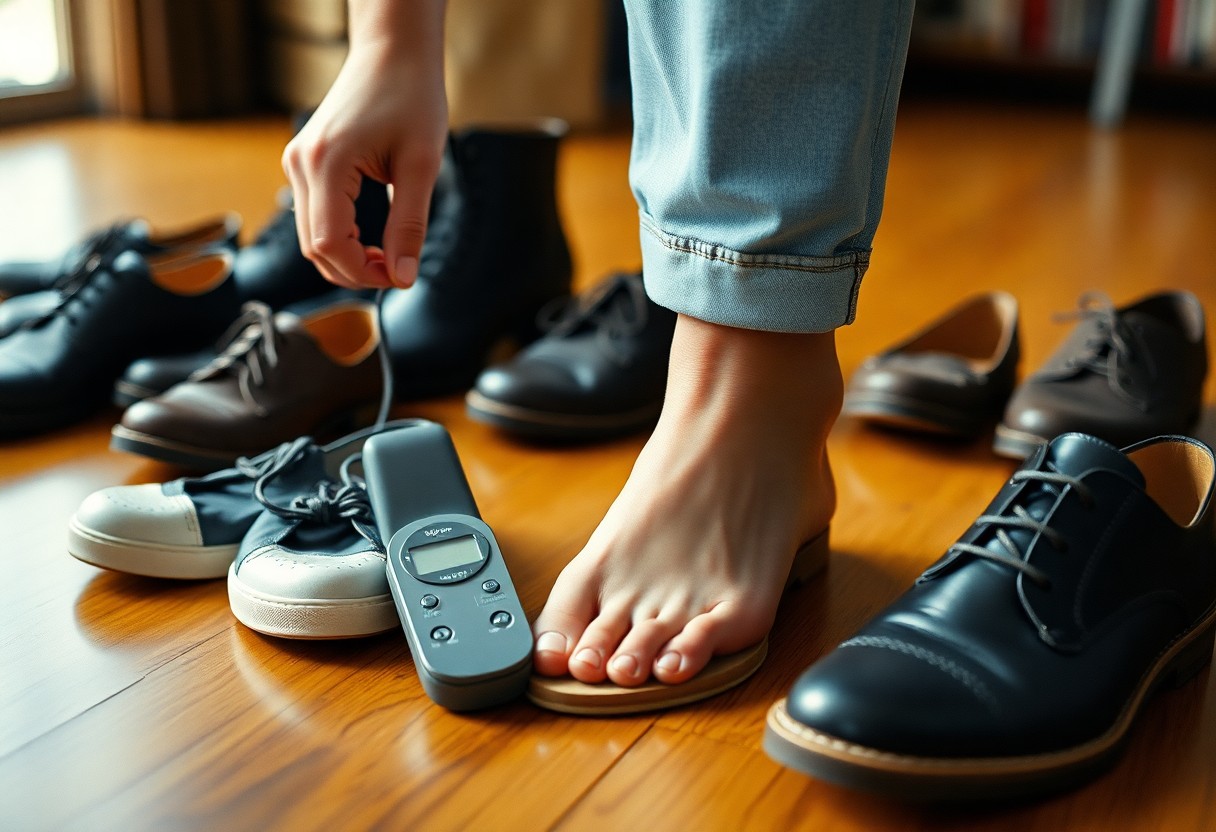
    Over 60% of individuals face the challenge of foot size discrepancies, making the search for suitable shoes a frequent struggle. If you’re grappling with the complexities of uneven feet, finding comfortable and appropriate footwear can become a more straightforward process. The first significant step is to thoroughly measure both feet, enabling you to identify the precise size difference. Gaining insight into your unique foot dimensions can significantly improve your shoe-shopping experience. Wearing ill-fitting shoes can lead to numerous foot problems and discomfort, but with the right strategies, you can find footwear that effectively accommodates both of your feet. This extensive guide will reveal practical solutions, including buying different sizes and exploring adjustable options that ensure optimal comfort and support for both feet.

    Master the Art of Measuring Your Feet for the Perfect Shoe Fit

    To secure the best fitting shoes for uneven feet, it’s essential to start with accurate measurements of both feet. For optimal results, measure your feet at the end of the day when they are slightly swollen and while standing. This essential step is crucial for preventing foot pain and avoiding potential health issues that can arise from wearing shoes that do not fit properly. Taking the time to measure correctly can save you from future discomfort and help you make informed decisions about your footwear choices.

    Enhance Your Fit with Professional Foot Measurement Services

    Utilizing professional measurement services can significantly elevate your shoe fitting experience. These services employ specialized tools to obtain the precise dimensions of your feet, including length, width, and arch height. Many dedicated shoe stores offer these services, where trained staff measure each foot individually. Research shows that an alarming 60% of people wear incorrect shoe sizes due to inadequate measurement techniques, highlighting the importance of seeking professional assistance for an accurate fit.

    Understanding and Acknowledging Foot Size Variations

    It is quite normal for individuals to have differently sized feet. In fact, up to 80% of the population has one foot larger than the other, with size discrepancies typically ranging from 1/4 to 1/2 a size difference. Generally, the left foot is often larger as it tends to be the dominant foot for most people. Acknowledging these size differences is essential for selecting the appropriate footwear. You should always choose shoes that accommodate your larger foot and consider using inserts or padding in the smaller shoe as needed. Regularly measuring your feet is vital since changes can occur due to aging, weight fluctuations, or health conditions.

    Develop Effective Shopping Strategies for Finding Shoes for Uneven Feet

    When shopping for shoes with varying sizes, your approach should be systematic and well-planned. Always measure both feet at the end of the day when they are likely to be most swollen, and concentrate on fitting shoes to your larger foot. This strategy can help you avoid the discomfort associated with ill-fitting footwear and the potential foot problems that can emerge from such choices.

    Maximize Your Traditional Retail Shopping Experience

    When visiting conventional shoe stores, consider shopping during less busy hours to receive personalized assistance from the staff. You can request to try on different sizes for each foot, although most retailers typically sell matched pairs. Nonetheless, some stores offer split-size programs that allow you to purchase two different sized shoes for an additional fee of 10-15%. By being proactive and exploring your options, you can enhance your chances of finding the right fit.

    Benefits of Choosing Specialty Shoe Stores for Unique Needs

    In contrast to the limitations often found in regular retail environments, specialty shoe stores provide customized fitting services and flexible sizing options that cater to your specific requirements. These stores frequently carry extended size ranges and often offer split-size programs without additional fees. You may even find retailers that sell individual shoes or different sized pairs, making it easier to discover the perfect fit.

    Moreover, these stores employ expert fitters who possess extensive knowledge about foot size discrepancies. They utilize advanced measuring techniques and can suggest suitable footwear modifications. Many specialty stores partner with manufacturers to provide adjustable shoes or can even order custom sizes tailored to your individual needs.

    Discover Custom Solutions for Addressing Uneven Feet Challenges

    Addressing the challenges posed by uneven feet requires a tailored approach. You have several options to combat your unique foot size differences, ranging from custom-made shoes to professional modifications. Studies reveal that 60% of individuals with uneven feet experience significant advantages from custom solutions, resulting in improved comfort and a reduction in foot-related issues.

    Make an Investment in Made-to-Order Footwear

    Investing in made-to-order shoes can effectively resolve your fitting issues. By collaborating with skilled shoemakers, you can have shoes crafted based on your precise measurements. While this option may be pricier than standard footwear, with costs ranging from $300 to $1000, you are ensured shoes that fit both of your feet accurately, providing lasting comfort and style.

    Explore Modification Options for Existing Footwear

    If you already own shoes that require adjustments, there are several modification options available to you. You can add insoles, heel lifts, or padding to improve the fit of your larger shoe. Professional shoe repair shops offer safe modification services, ensuring that both feet receive sufficient support and comfort.

    This approach enables you to adapt standard shoes to meet your specific needs. A skilled cobbler can modify the sole thickness, add internal padding, or adjust the shoe structure. Research suggests that appropriate modifications can reduce foot pain by as much as 70% and help prevent long-term foot complications. Always seek assistance from certified professionals to avoid damaging your shoes or introducing new comfort issues.

    Selecting the Right Brands to Meet Your Footwear Needs

    Since different shoe brands adhere to various sizing standards, it’s essential to conduct thorough research on their specific measurement charts. Your ability to find the right fit is heavily reliant on identifying brands that offer detailed size charts and responsive customer service for any inquiries related to sizing.

    Investigate Flexible Size Programs Offered by Retailers

    Some retailers provide flexible sizing programs that allow you to purchase different sizes for each foot without needing to buy two complete pairs. These programs can save you up to 50% on your footwear purchases and are becoming increasingly popular among online retailers.

    Brands with Inclusive Sizing Options to Consider

    Brands such as Nike, New Balance, and ASICS offer extended size ranges and width variations that can help you find better-fitting shoes for uneven feet. These manufacturers provide comprehensive size guides and often incorporate adjustable fitting systems in their products to enhance comfort.

    Due to their commitment to inclusive sizing, these manufacturers have implemented specialized programs that cater to customers with foot size discrepancies. For instance, Nike features a size exchange program at select locations, while New Balance offers personalized fitting services at their flagship stores. ASICS employs 3D foot scanning technology in many of their locations to assist you in determining your exact measurements.

    Strategize Your Footwear Budget Effectively

    Individuals with uneven feet often face additional costs when shopping for proper footwear. Research indicates that consumers with significant size differences between their feet can spend up to 60% more on shoes annually compared to those with matching sizes.

    Identify Cost-Effective Solutions for Footwear Purchases

    To achieve immediate savings, consider exploring various options available to you. Some retailers provide split-size programs that enable you to purchase single shoes or mixed-size pairs at a discounted rate. Additionally, joining online communities where individuals with mismatched shoe sizes exchange footwear can lead to savings of up to 50% on your purchases.

    Plan Your Footwear Investment for Long-Term Savings

    It’s important to budget wisely for your footwear needs by allocating a specific amount each month. Statistics show that quality shoes for uneven feet typically range from $150 to $300 per pair, yet they tend to last 40% longer than regular footwear when properly fitted.

    Although the initial investment may seem high, prioritizing quality footwear can prevent future health complications and reduce long-term medical expenses. Research indicates that wearing improperly fitting shoes can lead to back issues, with medical costs averaging $1,200 annually. Consider establishing a shoe fund with monthly contributions of $30 to $50 to effectively manage these expenses.

    Implement Essential Comfort Adaptations for Uneven Feet

    Your comfort should always be the top priority when dealing with uneven feet. Approximately 60% of people wear incorrectly sized shoes, leading to various foot problems. Focus on achieving a balanced fit for both feet, as even a slight size difference can result in discomfort and potential health complications.

    Explore Innovative Insole Solutions for Enhanced Comfort

    Effective insole management is vital for attaining comfort in shoes designed for uneven feet. Utilizing removable insoles can help customize the fit of your larger shoe. Consider options such as volume-adjusting insoles or heel grips in the larger shoe to minimize slipping. This approach is affordable and easily adjustable as your foot size requirements change.

    Transform Your Footwear with Professional Adjustments

    Professional shoe repair services can substantially improve your footwear experience. Expert cobblers can modify your shoes by stretching the smaller side or adding padding to the larger side. These modifications can yield adjustments of up to half a size, resulting in a more comfortable fit.

    Additionally, professional shoe adjustments can include specialized techniques such as sole modifications and leather stretching. A skilled cobbler can adjust your shoes without compromising their structural integrity or visual appeal. Expect these modifications to last for the lifespan of your shoes, making them a wise investment in your foot health.

    Your Questions Answered: Frequently Asked Questions about Uneven Foot Sizes

    Q: What is the best method for accurately measuring my feet when they are different sizes?

    A: To measure your feet accurately, do so at the end of the day when they are likely to be the most swollen. Use a measuring tape to check the length from heel to toe, as well as the width at the widest part. Document both measurements for each foot and always purchase shoes that accommodate your larger foot, as you can use inserts for the smaller one. Ensure you measure while standing to achieve the most precise size.

    Q: What options are available for purchasing shoes when one foot is significantly larger than the other?

    A: Many shoe retailers offer split-size services, allowing you to buy two different sized shoes as a pair. Some stores also allow the option to purchase individual shoes. Additionally, you can use inserts, padding, or heel grips in the shoe for your smaller foot. Major brands like Nike and New Balance have developed programs specifically for customers requiring different sized shoes.

    Q: How can I enhance the comfort of my shoes when dealing with uneven foot sizes?

    A: To improve comfort in your shoes for uneven feet, consider adding cushioned insoles in the shoe designed for your smaller foot to fill in any extra space. Utilize heel liners to prevent slipping in the larger shoe. If the shoe for your larger foot feels tight, stretching it may be beneficial. Consult a shoe repair professional who can make modifications to accommodate size differences. Regularly replace insoles to maintain optimal fit and comfort.

    The Article Shopping for shoes with uneven foot sizes tips for the perfect fit appeared first on My Shoes Finder

    The Article Tips for the Perfect Fit: Shopping for Shoes with Uneven Sizes Was Found On https://limitsofstrategy.com


  • Carpal Tunnel Relief Through Alternative Therapies

    Carpal Tunnel Relief Through Alternative Therapies

    Comprehensive Insight into Carpal Tunnel Syndrome: Causes, Symptoms, and Proven Relief Methods

    Carpal Tunnel Syndrome (CTS) is a common condition resulting from the compression of the median nerve, which runs from the forearm into the palm. This compression can lead to a variety of distressing symptoms, including persistent pain, numbness, tingling sensations, and weakness in the fingers and hand. Many individuals notice that these uncomfortable sensations worsen during repetitive wrist activities, such as typing or navigating a computer mouse. Gaining a thorough understanding of the complexities surrounding CTS is essential for effective prevention and management. This knowledge empowers individuals to adopt proactive measures, seeking relief and restoring optimal functionality to their hands.

    Although repetitive strain injuries are often regarded as the primary cause of CTS, numerous other factors can exacerbate its symptoms, including conditions like pregnancy, diabetes, and thyroid disorders. A thorough understanding of the mechanisms behind CTS is vital for developing effective management strategies. The carpal tunnel is a narrow passage in the wrist surrounded by bones and ligaments, which can become inflamed due to overuse or various medical conditions. This inflammation can cause swelling within the tunnel, thereby exerting pressure on the median nerve, disrupting its normal functions, and leading to the characteristic symptoms of CTS. Identifying and addressing symptoms early on can facilitate timely interventions, preventing potential complications.

    Proven Techniques for Effectively Managing Carpal Tunnel Syndrome Symptoms

    • Carpal Tunnel Syndrome results from the compression of the median nerve in the wrist, causing discomfort, numbness, and weakness in the affected arm and hand.
    • Complementary therapies such as acupuncture, chiropractic care, yoga, stretching, herbal remedies, and massage therapy can significantly alleviate the symptoms associated with Median Nerve Compression.
    • Acupuncture is a technique where fine needles are inserted at specific points on the body to relieve pain and enhance nerve function in individuals suffering from Carpal Tunnel Syndrome.
    • Chiropractic care focuses on spinal and joint adjustments, which can relieve pressure on the median nerve and improve overall nerve function in the hand and wrist area.
    • Incorporating yoga and stretching exercises can enhance flexibility, reduce muscle tension, and alleviate symptoms linked to Median Nerve Compression.

    holistic therapy session for managing Carpal Tunnel SyndromeDiscovering the Benefits of Alternative Therapies for Effective Carpal Tunnel Syndrome Management

    If you seek practical approaches for managing Carpal Tunnel Syndrome, alternative therapies may provide significant relief without the need for invasive procedures. These therapies focus on addressing the root causes of your symptoms rather than merely masking them with medications. By enhancing circulation, reducing inflammation, and promoting overall nerve health, alternative treatments offer a holistic solution to managing this condition effectively.

    Among the various alternative therapies available, acupuncture, chiropractic care, yoga, and massage therapy have demonstrated considerable effectiveness in alleviating wrist pain and numbness associated with CTS. Each therapy offers unique benefits, allowing for a personalized treatment plan that aligns with your specific needs. By integrating these therapies into your daily routine, you could experience significant improvements in your symptoms and overall quality of life.

    Harnessing Acupuncture Techniques for Enhanced Relief from Carpal Tunnel Syndrome

    Acupuncture is an ancient healing art rooted in Traditional Chinese Medicine that involves the precise insertion of thin needles into specific points on the body. This technique aims to enhance energy flow and promote healing, proving particularly effective for individuals experiencing Carpal Tunnel Syndrome. By targeting acupuncture points associated with the wrist and hand, practitioners can reduce inflammation and improve circulation in the affected areas.

    Numerous studies have shown that acupuncture can lead to significant improvements in symptoms related to CTS. This treatment works by stimulating the release of endorphins, which are the body’s natural pain-relieving substances, while also alleviating muscle tension and enhancing blood flow to the median nerve. This process aids in healing and reduces numbness. Many patients report experiencing immediate relief after just a few sessions, highlighting acupuncture’s effectiveness as a potent tool in managing wrist discomfort.

    chiropractic session focused on managing CTSEnhancing Recovery from Carpal Tunnel Syndrome through Chiropractic Care

    Chiropractic care serves as a powerful alternative therapy that effectively addresses Carpal Tunnel Syndrome. Chiropractors specialize in aligning the musculoskeletal system, enabling them to identify and rectify underlying issues that contribute to your symptoms. Through spinal adjustments and wrist manipulations, chiropractors can relieve pressure on the median nerve and enhance overall function in the wrist and hand.

    In addition to spinal adjustments, chiropractors may incorporate soft tissue therapy and ergonomic assessments to assist you in modifying daily activities that might worsen your condition. This comprehensive approach not only targets immediate symptoms but also aims to prevent future occurrences of CTS. Collaborating with a chiropractor allows you to develop a personalized treatment plan that includes specific exercises and stretches designed to strengthen your wrist and improve flexibility.

    Leveraging Yoga and Stretching for Effective Relief from Carpal Tunnel Syndrome

    Integrating yoga and stretching into your daily routine can be an extremely effective strategy for managing Median Nerve Compression. Yoga promotes mindfulness and body awareness while enhancing flexibility and strength. Certain yoga poses are particularly beneficial for stretching and strengthening the muscles in your wrists and hands, alleviating tension and improving circulation. Consistent yoga practice not only enhances physical health but also contributes to mental well-being through effective stress relief and relaxation techniques.

    Given that stress can worsen CTS symptoms, finding effective methods to manage stress through mindfulness practices becomes essential. Simple stretches targeting the wrists and forearms can easily be incorporated into your daily activities, providing immediate relief from discomfort and contributing to long-term health benefits.

    herbal remediesExploring the Efficacy of Herbal Remedies for Alleviating Carpal Tunnel Syndrome Symptoms


    Herbal remedies have been utilized for centuries to alleviate various ailments, including Carpal Tunnel Syndrome (CTS). Numerous herbs exhibit potent anti-inflammatory properties that can help reduce swelling around the median nerve, thus alleviating pain and discomfort. Notable examples of beneficial herbs include turmeric, ginger, and willow bark, all of which may assist in managing the symptoms associated with CTS.

    Beyond their anti-inflammatory properties, several herbal remedies can also enhance circulation and support nerve health. For instance, ginkgo biloba is well-known for its ability to increase blood flow, potentially relieving the numbness frequently associated with CTS. Before introducing any herbal remedies into your treatment plan, it is crucial to consult with a healthcare professional to ensure their safety and suitability for your specific health needs.

    Achieving Pain Relief from Carpal Tunnel Syndrome through Targeted Massage Therapy

    Massage therapy stands out as another highly effective, noninvasive option for alleviating wrist pain and numbness linked to Carpal Tunnel Syndrome. By employing targeted manipulation of the muscles and soft tissues surrounding the wrist and forearm, massage therapy can effectively relieve tension and enhance circulation in those areas. This increased blood flow promotes healing and can significantly reduce discomfort.

    Regular massage sessions also help to break down adhesions in the muscles and fascia around the carpal tunnel, further alleviating pressure on the median nerve. Many individuals report immediate symptom relief from massage therapy while experiencing long-term improvements in wrist function and comfort.

    Incorporating massage into your self-care routine can be a valuable tool for effectively managing your Carpal Tunnel Syndrome.

    multiple therapies in a serene wellness environment

    Developing a Holistic Strategy for Managing Carpal Tunnel Syndrome Effectively

    Successfully managing Carpal Tunnel Syndrome often requires a multifaceted approach that incorporates a variety of alternative therapies. By exploring diverse options such as acupuncture, chiropractic care, yoga, herbal remedies, and massage therapy, you can create a comprehensive treatment plan tailored to your specific needs. These varied therapies provide distinct advantages that synergize to alleviate pain, reduce inflammation, and enhance overall nerve health.

    As you embark on this journey toward alleviating wrist pain and numbness, remember that consistency is crucial.

    Regular engagement with these therapies will not only help you manage your current symptoms but also empower you to take control of your health for the long term. By seamlessly integrating these alternative treatments into your daily life, you can significantly enhance your quality of life while effectively addressing the challenges posed by CTS.

    Common Inquiries about Carpal Tunnel Syndrome Answered

    How is carpal tunnel syndrome defined?

    Carpal tunnel syndrome is a medical condition characterised by numbness, tingling, and other distressing sensations in the hand and arm. It occurs when the median nerve is compressed or squeezed as it travels through the wrist from the forearm into the palm.

    Which alternative therapies effectively manage CTS symptoms?

    Alternative therapies for managing carpal tunnel syndrome may include acupuncture, yoga, chiropractic care, massage therapy, and herbal remedies. These methods aim to alleviate pain and enhance functionality in the hand and wrist.

    What role does acupuncture play in managing CTS?

    Acupuncture involves inserting thin needles into specific points on the body to alleviate pain and enhance overall symptoms. It is believed to aid in managing CTS by reducing inflammation and promoting the body’s natural healing processes.

    Can yoga provide therapeutic benefits for individuals with CTS?

    Yoga can be particularly beneficial for individuals suffering from carpal tunnel syndrome as it helps improve flexibility, strength, and posture. Specific yoga poses and stretches can also relieve symptoms and diminish discomfort in the hands and wrists.

    Is chiropractic care a viable treatment option for carpal tunnel syndrome?

    Chiropractic care can be effective for CTS. It focuses on spinal alignment and enhances nerve function. Chiropractors employ spinal adjustments and various techniques to alleviate pressure on the median nerve and reduce associated symptoms.

    How does massage therapy benefit those suffering from CTS?

    Massage therapy can support the management of carpal tunnel syndrome by decreasing muscle tension, enhancing blood flow, and promoting relaxation. It can help alleviate pain and discomfort in the wrists and hands.

    Are there specific herbal remedies that may assist with carpal tunnel syndrome?

    Several herbal remedies, such as turmeric, ginger, and bromelain, are recognised for their anti-inflammatory properties, which may help alleviate pain and inflammation related to carpal tunnel syndrome. However, it is crucial to consult with a healthcare professional before incorporating any herbal remedies.

    Provided By: Carpal Tunnel Treatment

    The Article: Managing Carpal Tunnel Syndrome with Alternative Therapies appeared first on https://mcrtherapies.co.uk

    The Article Alternative Therapies for Managing Carpal Tunnel Syndrome appeared first on https://mcrtherapies.com

    The Article Alternative Therapies for Carpal Tunnel Relief Was Found On https://limitsofstrategy.com

  • Accurate Shoe Size: Expert Tips to Avoid Common Mistakes

    Accurate Shoe Size: Expert Tips to Avoid Common Mistakes

    It’s astonishing how many individuals unknowingly wear shoes that are not the correct size, leading to serious consequences for their foot health. While it might seem straightforward to find your proper shoe size, common missteps can result in painful blisters, discomfort, and chronic foot issues. Your quest for the ideal fit begins with recognizing what to avoid. Outdated techniques like using paper tracings or relying on forearm measurements can lead to poor footwear choices. To ensure your shoes deliver maximum comfort and support for your daily activities, accurate measurements and proper fitting techniques are essential.

    Learn Effective Techniques for Accurate Shoe Measurement

    When it comes to determining your shoe size, understanding the importance of precise measurement techniques is crucial for maintaining foot health. It’s important to note that your feet can fluctuate by as much as half a size throughout the day due to factors such as swelling and activity levels. Alarmingly, 85% of people wear shoes that are not the correct size because they use ineffective measuring methods. To achieve the most accurate results, measure both feet, since it’s common for one foot to be larger than the other, ensuring your shoes fit comfortably. This simple practice can make a world of difference in your overall comfort and foot health.

    Avoid Common Measurement Mistakes to Ensure Proper Sizing

    Below are some prevalent errors that often lead to incorrect shoe sizing. Utilizing household items like rulers can result in measurements that are off by as much as 1.5 sizes. Since your feet naturally spread when standing, taking measurements while seated will yield inaccurate results. Additionally, measuring only one foot or neglecting to account for width can lead to discomfort and potential foot complications. By adopting correct measuring methods, you can ensure you find shoes that fit perfectly and provide the necessary support for all your daily activities, significantly reducing the risk of future foot problems.

    Discover the Advantages of Professional Shoe Measurement Techniques

    Expert shoe fitting involves comprehensive length and width measurements with tools such as the Brannock Device. Standing during the measurement is essential to enable natural foot expansion. For optimal fit and comfort, your toes should have 0.5 inches of space at the front of the shoe. Professional fitters employ standardized tools, taking into account factors such as arch type and gait pattern to achieve the most accurate fit possible. This meticulous approach can help you avoid the discomfort that often arises from improperly fitted shoes.

    They measure your feet at the widest point to ensure proper width fitting, which is crucial for comfort. It’s best to conduct measurements in the afternoon when your feet are at their largest size, as foot size can change over time due to aging and weight fluctuations. Regularly measuring your feet is vital for maintaining comfort and preventing foot issues that can arise from wearing ill-fitting shoes.

    Explore How Time of Day Affects Shoe Measurements

    For the most reliable shoe measurements, the timing of your measurement is crucial. Throughout the day, your feet undergo natural swelling, increasing by up to 8% due to normal activities and fluid retention. Consequently, the evening hours are typically when your feet are at their largest, making this the ideal time for shoe shopping and fitting. Shopping at this time can lead to more accurate fittings and greater comfort in the shoes you select.

    The Risks of Measuring Your Feet in the Morning

    Measuring your feet in the morning can result in purchasing shoes that feel tight and uncomfortable later on. It’s recommended to measure your feet in the late afternoon or evening when they have reached their maximum size. This strategy ensures that you obtain the most accurate measurements for comfortable daily wear, preventing the discomfort associated with shoes that are too small and enhancing your overall foot health.

    Physical Activity and Its Effects on Your Foot Size

    Prior to measuring your feet, it’s essential to consider your recent level of physical activity. Engaging in prolonged standing or walking can contribute to temporary foot swelling, which will affect your measurements. To achieve accurate results, you should wait at least 30 minutes after exercising before measuring your feet. This pause allows your feet to return to their natural state, providing a more accurate assessment of size.

    Your daily activities directly influence your foot size. Extended periods of standing can cause your foot size to increase by as much as half a size. Regular actions, such as walking, running, or even sitting for extended periods, can alter foot volume. Additionally, your feet may swell more during <a href="https://limitsofstrategy.com/best-and-worst-times-to-visit-rio-de-janeiro-travel-tips-and-weather/">hot weather</a> or after consuming salty foods. This natural fluctuation emphasizes the need for shoes that can accommodate these daily changes in size, ensuring lasting comfort and support.

    • Measure your feet in the evening for the best results
    • Allow time to rest after physical activity
    • Consider how weather and diet can affect foot size
    • Account for daily size variations when shoe shopping

    Clarifying Misconceptions About Shoe Sizing

    Your current understanding of shoe sizing may be influenced by outdated or incorrect information. Many individuals mistakenly believe that their shoe size remains constant throughout their lives, but various factors, including age, weight changes, and pregnancy, can alter your foot size over time. Research indicates that 88% of people wear shoes that are not the correct size, a trend often stemming from these misconceptions. Recognizing and addressing these myths can help you make better footwear choices.

    Identifying the Most Common Shoe Size Misconceptions

    Widespread myths regarding shoe sizing can lead to poor footwear selections. For example, it’s a common misconception that your feet are always the same size—in reality, one foot is usually larger than the other by as much as half a size. Additionally, relying on methods such as standing on a shoe box or using smartphone apps to determine size can lead to inaccurate measurements and uncomfortable fits. Understanding these myths can empower you to make informed decisions when choosing footwear.

    The Reality of Size Variations Across Different Brands

    On average, shoe sizes can differ by up to 1.5 sizes across various brands. This means your size 8 in one brand might fit more like a size 7 or 9 in another. These discrepancies occur because each manufacturer adheres to their own sizing standards and shoe lasts. Being aware of these variations can save you considerable time and frustration while shopping.

    For instance, athletic shoes often have smaller fits compared to dress shoes, and European brands frequently differ in fit from American ones. A study revealed that 35% of inconsistencies in shoe sizing can be attributed to brand variations. To ensure the best fit, it’s essential to try on shoes before making a purchase, regardless of your usual size in other brands. This practice will help you find the best fit for your unique foot shape and size.

    Implementing Best Practices for Successful Shoe Fitting

    Successful shoe fittings demand meticulous measurements and a keen attention to detail. Always measure your feet at the end of the day when they are at their largest. You should leave at least 3/8 to 1/2 inch of space between your longest toe and the tip of the shoe. Ensure that you can wiggle your toes freely to prevent potential foot issues down the line. This attention to detail can greatly enhance your overall comfort and foot health.

    Understanding the Difference Between Standing and Sitting Measurement Techniques

    The primary differences in measurement techniques can greatly influence your shoe fit. Standing provides 20% more accurate measurements compared to sitting, as your feet naturally expand under your body weight. Always stand straight with equal weight on both feet while measuring, as this method yields the most reliable size readings for everyday wear, ensuring that you choose the best-fit shoes for your needs.

    The Critical Role of Weight Distribution in Shoe Sizing

    Weight distribution is one of the most frequently overlooked factors that can affect your shoe size by up to half a size. When you place weight on your feet, it causes them to spread differently, impacting both length and width measurements. This natural expansion must be taken into account when determining your shoe size to ensure comfort and fit. By being mindful of how your feet respond to weight, you can select shoes that feel great all day long.

    By properly testing weight distribution, you can avoid common fitting errors. Always apply your full weight on each foot when trying on shoes to simulate real walking conditions. Your shoes should feel comfortable without any pinching or pressure points. This technique will help you identify the correct size that will remain comfortable throughout the day, preventing future foot discomfort.

    Choosing the Right Socks for Optimal Shoe Fitting

    Unlike barefoot measurements, accurate shoe sizing necessitates careful sock planning. The type of socks you choose can affect the fit of your shoes by up to half a size. It’s essential to consider both the thickness and material of your socks when purchasing new shoes to ensure long-lasting comfort. Selecting the right socks can significantly enhance your overall footwear experience.

    The Role of Sock Thickness in Achieving the Perfect Shoe Fit

    Approximately 80% of shoe fit problems arise from improper sock choices. Your feet can expand by as much as 0.3 inches when wearing thick winter socks compared to thinner dress socks. To find the best fit, it’s crucial to test shoes while wearing the type of socks you intend to wear most often with them. This practice helps ensure that your shoes provide the best possible comfort and performance.

    How Different Sock Materials Impact Shoe Comfort and Fit

    Different sock materials can significantly affect moisture levels and foot movement, making your choice critical. Cotton socks can compress by up to 25% during wear, while wool tends to maintain its shape better. Synthetic materials provide the most consistent fit, ensuring comfort throughout the day. Being mindful of your sock choices can help you prevent discomfort and enhance your overall shoe fit.

    The material of your socks also affects how your feet interact with your shoes. Moisture-wicking materials can help prevent blisters and enhance comfort, whereas cotton retains moisture and may cause your feet to slip inside the shoes. Selecting socks that align with both your shoe type and activity level is vital for achieving the best fit and performance, supporting your foot health.

    Evaluating Digital vs. Manual Shoe Sizing Techniques

    Despite advancements in technology, the choice between digital and manual shoe sizing methods can greatly influence the accuracy of your measurements. Digital scanners provide up to 97% accuracy in determining foot dimensions, while manual methods can have a margin of error of up to 0.5 cm. Your decision regarding these methods can significantly enhance or detract from your shoe-fitting experience, impacting your overall comfort.

    The Benefits of Using Technology for Shoe Sizing

    A significant benefit of digital sizing tools is their ability to deliver highly precise 3D foot measurements. This technology can provide you with in-depth information about your foot length, width, arch height, and pressure points. Additionally, these systems can store your measurements, allowing for easier and more accurate future purchases, with fitting errors reduced by up to 65%. Utilizing technology can streamline your shopping experience and enhance your satisfaction.

    The Reliability of Traditional Shoe Sizing Methods

    Despite the rise of digital measurement tools, manual sizing methods using the Brannock Device remain prevalent in shoe stores. You can trust this traditional tool for obtaining basic foot measurements; however, the accuracy of these measurements largely depends on the correct positioning of your foot and the expertise of the individual taking the measurements. Understanding this can help you appreciate the importance of skilled fitters in the shoe selection process.

    It’s important to recognize that traditional methods can be influenced by various factors. Movement during measurement can result in inaccurate readings, and inconsistencies between measuring techniques at different stores can lead to variability. Nonetheless, manual methods still offer valuable tactile feedback that digital systems cannot replicate, making them a worthwhile option for shoe fitting. Combining both methods may yield the best results for finding your perfect fit.

    Highlighting the Significance of Accurate Shoe Sizing

    At this point, you have equipped yourself with the essential steps to avoid common shoe sizing mistakes. Your foot health relies on selecting the correct size through tested methods rather than relying on unreliable shortcuts. Always prioritize proper measurements, personally try on shoes, and wear suitable socks during the fitting process. By adhering to these expert guidelines and avoiding shortcuts, you will consistently find shoes that fit perfectly, leading to greater comfort and health.

    Answers to Common Questions About Shoe Sizing

    Q: How does measuring feet at different times of day affect shoe size accuracy?

    A: Foot size fluctuates throughout the day. It’s best to measure your feet in the afternoon or evening when they are at their largest due to natural swelling. Measuring in the morning can lead to the purchase of tight-fitting shoes. Always leave 0.5 inches of space between your longest toe and the tip of the shoe for optimal fit, ensuring your comfort.

    Q: What are the problems with using the thumb press test to check shoe fit?

    A: The thumb press test is unreliable as it only evaluates the toe area. A thorough shoe fitting must assess multiple factors: toe box width, heel grip, arch support, and overall length. Utilize a full-foot fitting method by walking in the shoes and checking for pressure points across your entire foot for the best results.

    Q: Why should you avoid relying on your previous shoe size when buying new shoes?

    A: Shoe sizes vary significantly between brands and styles. A size 8 in one brand may correspond to a size 9 in another. Additionally, foot sizes can change due to age, weight fluctuations, or pregnancy. Always measure both feet and try on shoes with every purchase to ensure a proper fit that supports your foot health.

    The Article Common mistakes to avoid when determining shoe size expert tips for accuracy appeared first on My Shoes Finder

    The Article Expert tips for accurate shoe size: Avoid common mistakes Was Found On https://limitsofstrategy.com

  • Belize Family Summer Vacation Itinerary: 5 Days of Fun

    Belize Family Summer Vacation Itinerary: 5 Days of Fun

    Many families dream of experiencing a Caribbean getaway that seamlessly merges adventure with relaxation, and Belize stands out as the ideal destination to make that dream a reality. In this small yet vibrant country, your family will discover a perfect combination of jungle thrills and beach bliss. The moment you arrive, you will find yourself surrounded by an array of family-friendly activities, such as snorkeling with gentle marine life, exploring ancient Maya ruins, and lounging on pristine beaches. This detailed 5-day itinerary is crafted to help you strategically organize your days, ensuring your family enjoys all the essential attractions while avoiding common tourist pitfalls. So, pack your sunscreen and get ready for an unforgettable family adventure in one of Central America’s most welcoming destinations.

    During their family summer vacation in Belize, a family of four strolls along a sandy beach. The father holds a yellow air mattress while the mother carries an inflatable swim ring. The two children clutch yellow toys, both sporting sunglasses. The ocean is calm and the sky is clear.

    Maximize Family Fun: Plan Your Vacation in Belize

    To ensure your family adventure in Belize is as enjoyable as possible, meticulous planning is essential. This enchanting country offers an ideal mix of beachside relaxation and jungle adventures, making it an exceptional choice for families seeking diverse experiences. Key aspects of your trip planning should include selecting accommodations that meet your family’s needs, arranging efficient transportation between various locations, and curating activities that align with your children’s ages and interests. By investing time in organizing these details, you will pave the way for a smooth and memorable vacation experience for everyone involved.

    Identify the Best Season for Your Family Trip to Belize

    For the most satisfying family experience, aim to visit during the dry season from December to April. These months offer favorable weather conditions, with temperatures typically ranging from 75-85°F (24-29°C) and minimal rainfall, making them ideal for outdoor activities, beach enjoyment, and exploring ancient Maya ruins. While summer months may be hotter and more humid, they can also provide lower prices and a less crowded atmosphere, which may enhance your enjoyment of the trip.

    Ensure Smooth Entry: Understand Travel Requirements and Documentation

    Having a clear understanding of the travel documentation requirements for Belize is crucial for a hassle-free family vacation. Each family member will need a valid passport with a minimum of six months validity remaining beyond your intended stay. U.S. citizens do not need to obtain visas for stays shorter than 30 days. Additionally, children under the age of 18 must present proof of citizenship and may need notarized parental consent if traveling with only one parent. Proper documentation will guarantee a smooth entry into this captivating country.

    While ensuring all your travel documents are in order, it’s wise to consider acquiring travel insurance to protect your family vacation investment. Given that medical facilities in Belize can be limited, having health insurance coverage is highly recommended. To further secure your family’s safety, make copies of all essential documents and store them separately from the originals. Additionally, accommodations may request proof of vaccination for standard childhood immunizations.

    Explore Transportation Options for Hassle-Free Travel in Belize

    Belize offers a variety of transportation options to accommodate different family needs and schedules. You can take advantage of public buses, rental cars, or domestic flights to connect major destinations seamlessly. Your choice of transportation will largely depend on your planned itinerary, budget, and personal comfort preferences. Many families find that a combination of these options works best to effectively explore the compact yet diverse landscapes of Belize.

    Efficiently Connect to Belize from Your Departure City

    The Philip S. W. Goldson International Airport serves as the main gateway to Belize, with direct flights available from several major U.S. cities, including Miami, Houston, and Dallas. With flight durations ranging from 2 to 4 hours, Belize is a highly accessible destination for families. Airlines such as American Airlines, United, and Delta offer regular service to Belize, making travel arrangements straightforward and convenient.

    Key Tips for Smooth Inter-Island Travel in Belize

    When planning travel between Belize’s islands, consider these important tips to enhance your journey:

    • Water taxis operate frequently between islands, providing an exciting way to explore
    • Advance booking is strongly recommended, particularly during peak tourist seasons
    • Weather conditions may affect schedules, so it’s important to plan accordingly
    • Children under 5 often travel for free, making it a cost-effective option for families

    Ensuring safety during your travels is paramount; all water taxis are required to provide life jackets for passengers.

    To enhance your comfort while island hopping, consider the following recommendations:

    • Choose morning departures when waters are usually calmer
    • Pack motion sickness medication if necessary
    • Bring water and snacks for the journey
    • Store valuable items in waterproof bags to protect them

    Given the unpredictable nature of travel plans, always have a backup strategy in place for inter-island transportation.

    During their family summer vacation in Belize, a woman crouches next to a toddler playing with a sand toy as a man chases a running child. The ocean provides a stunning backdrop to their unforgettable day under the partly cloudy sky.


    Detailed Day-by-Day Itinerary for an Unforgettable Family Adventure in Belize

    Get ready for some of the most exciting family adventures with this thoughtfully planned 5-day Belize itinerary. Your journey will seamlessly integrate beach relaxation, wildlife encounters, and rich cultural experiences, all aimed at creating cherished memories for your family.

    Day 1: Arrival and Adventure on Caye Caulker

    Your first day will begin with your arrival at Philip S. W. Goldson International Airport. From there, you will embark on a scenic 45-minute water taxi ride to Caye Caulker. Upon arrival, settle into your beachfront accommodation and take the opportunity to explore the charming, car-free island, known for its famous “Go Slow” vibe that promotes relaxation and enjoyment.

    Day 2: Underwater Exploration on Belize’s Marine Adventures

    Even the youngest members of your family will find joy in this day dedicated to underwater adventures. You’ll have the chance to experience safe snorkeling at Hol Chan Marine Reserve, where you can marvel at vibrant fish, gentle nurse sharks, and friendly stingrays gliding through their natural habitat.

    Your activities for the day will include professionally guided snorkeling tours, swimming in the crystal-clear waters, and a delightful sunset sail along the picturesque Caribbean coastline. Rest assured, your experienced guides will prioritize safety and entertainment for all age groups, ensuring a fantastic experience for everyone involved.

    Day 3: Discovering the Wonders of Mainland Belize

    Your mainland adventure begins with a visit to the Belize Zoo, which is home to over 145 native species of wildlife. Here, your family will have the opportunity to observe jaguars, toucans, and howler monkeys in their natural habitats, creating unforgettable moments together.

    Another highlight of the day will be exploring ancient Maya ruins and fascinating cave systems. Knowledgeable guides will deliver child-friendly explanations of Belize’s rich history and natural wonders, making this an educational experience for your family.

    Day 4: Engaging in Local Cultural Experiences

    Your itinerary will focus on immersing your family in the local traditions and vibrant culture of Belize. Participate in Garifuna drumming lessons and savor the flavors of authentic Belizean cuisine in Hopkins Village, where local culinary delights await your palate.

    As part of your cultural exploration, you will also engage in local craft workshops and enjoy traditional dance demonstrations. Your children will have the opportunity to learn how to create traditional Maya chocolate and play indigenous musical instruments, providing them with a deeper understanding of the local culture and traditions.

    Day 5: An Unforgettable Island Hopping Experience

    The cultural finale of your trip will involve visiting multiple cayes, where you’ll explore Laughing Bird Caye and other pristine islands. This final day will be perfect for capturing lasting family photos and engaging in beachside activities.

    During your last day, you’ll discover safe swimming areas for children, enjoy beach picnics, and have the chance to spot marine life. Don’t forget to collect beautiful seashells as mementos from your Belizean adventure, creating cherished memories for years to come.

    Selecting Family-Friendly Accommodations for a Comfortable Stay in Belize

    To ensure your family feels comfortable and secure, choosing the right accommodation in Belize is vital. From beachfront resorts to jungle lodges, Belize offers a wide array of options tailored to families. You will find properties equipped with kid-friendly pools, spacious rooms, and essential amenities such as kitchenettes and Wi-Fi, all designed to enhance your stay.

    Explore Top-Rated Hotels and Resorts for Families

    If you’re searching for the best family accommodations, consider Roberts Grove Beach Resort in Placencia or the San Ignacio Resort Hotel. These properties provide family suites, engaging children’s activities, and on-site restaurants with kid-friendly menus. Your children will be entertained with supervised activities while you take the opportunity to relax by the pool or on the beach, ensuring a stress-free and enjoyable experience for everyone.

    Diverse Location-Specific Accommodation Choices

    On the islands, you will discover excellent family resorts, such as Caye Caulker Plaza Hotel, which offers convenient access to prime snorkeling spots. In the mainland jungle areas, Crystal Paradise Resort boasts family-sized rooms and engaging educational nature programs tailored for children, ensuring an enriching stay.

    Family-friendly accommodations in Belize typically range from $150-$400 per night. Many resorts offer complimentary stays for children under 12 and often include breakfast. It is advisable to select properties with 24-hour security and nearby medical facilities to ensure peace of mind during your stay.

    Crucial Tips for Ensuring a Smooth Family Travel Experience

    As you prepare for your Belize family vacation, it’s important to recognize that traveling with children requires careful attention to detail. Below are some key considerations to ensure a seamless trip:

    • Plan activities in accordance with your kids’ regular sleep schedule to keep them well-rested and happy
    • Schedule frequent breaks between activities to prevent fatigue and allow for relaxation
    • Pack an abundance of healthy snacks and water to keep energy levels up throughout the day
    • Bring familiar comfort items from home to help your children feel secure and relaxed
    • Select kid-friendly accommodations that feature pools and play areas for added fun

    The success of your family vacation hinges on maintaining your children’s comfort and engagement throughout the journey, making these considerations essential.

    Packing Smart: Comprehensive Guidelines for a Family Trip to Belize

    Even the most organized parents can feel overwhelmed when it comes to packing for a trip to Belize. Your suitcase should include lightweight clothing, effective sun protection, and insect repellent. Additionally, don’t forget to pack basic medications, extra swimwear, and waterproof bags for wet clothes. Include your kids’ favorite toys and activities to keep them entertained during downtime at the hotel, ensuring everyone has a pleasant experience.

    Prioritize Safety: Key Considerations for Your Family in Belize

    The tropical environment of Belize necessitates specific safety precautions for families. Always use reef-safe sunscreen, stay well-hydrated, and adhere to local guides’ instructions to ensure a safe and enjoyable experience. It’s crucial to keep your children within sight at beaches and during water activities, closely monitoring them for signs of heat exhaustion, and ensuring they drink ample water throughout the day.

    A safe family vacation in Belize involves being prepared for various situations. Always carry a first-aid kit, keep emergency contact numbers easily accessible, and stay informed about the weather conditions. The hotel staff can provide valuable safety advice regarding local areas. It’s wise to avoid remote areas after dark and utilize reliable transportation services recommended by your accommodation to ensure safety and peace of mind.

    Effective Budget Planning: Managing Costs for Your Belize Family Trip

    When calculating your family’s travel expenses for a trip to Belize, budget approximately ,000-4,000 for a family of four over five days. This estimate encompasses accommodations, activities, meals, and local transportation. Be aware that visiting during the peak season (December-April) can result in costs that are 20-30% higher compared to off-season travel.

    Detailed Breakdown of Your Vacation Expenses into Clear Categories

    Let’s examine your vacation costs divided into distinct categories for clarity:

    • Accommodations: $150-300 per night
    • Daily meals: $30-50 per person
    • Activities: $50-150 per person
    • Local transport: $20-40 daily
    • Souvenirs: $100-200 total

    Proven Money-Saving Strategies for Your Belize Vacation

    If you’re looking to maximize your budget, you can reduce costs by booking accommodations in advance, traveling during the off-season (May-November), and choosing local dining options over tourist spots. By doing so, you can enjoy a more authentic experience while saving money.

    For instance, you could save up to 40% on activities by taking advantage of package deals, opting for local guides instead of resort services, and planning free beach activities. Staying at family-run hotels often provides better rates and more genuine experiences. Additionally, you can lower meal costs by balancing restaurant dining with visits to local markets and selecting accommodations with kitchen facilities for self-catering options.

    Creating Cherished Memories: Reflections on Your Unforgettable Belize Adventure

    As you wrap up your family adventure in Belize, you will have enjoyed a delightful blend of thrilling activities and tranquil relaxation. Your five-day journey will have taken you from the crystal-clear waters of Caye Caulker to the cultural richness of Hopkins Village. You’ll have witnessed your children’s exhilaration at encountering nurse sharks, participated in Garifuna drumming lessons, and strengthened family bonds along the way. When planning your next visit, remember that June to August offers ideal weather conditions, with temperatures averaging 86°F (30°C). The cherished memories you’ve created—from snorkeling at the vibrant reef to marveling at the bioluminescent waters—will remain with your family for many years to come.

    Your Questions Answered: Insights for Family Travel in Belize

    What is the best transportation method for families traveling between destinations in Belize?

    To travel from Belize International Airport to Caye Caulker, families can choose between a water taxi (approximately a 1-hour ride) or a short flight (around 15 minutes). For mainland travel to popular destinations like Hopkins Village and Cayo, private shuttles or rental cars are the most suitable options for families. The roads are well-maintained, and driving provides flexibility for stops at attractions such as The Belize Zoo.

    Which activities in this 5-day itinerary are most suitable for young children?

    The Belize Zoo offers child-friendly wildlife viewing experiences, while the butterfly farm provides safe and educational entertainment. Beach activities at Caye Caulker are perfect for children of all ages. Snorkeling experiences can be tailored to different skill levels, and Garifuna drumming lessons are welcoming for children. Additionally, most resorts feature shallow swimming areas ideal for kids, ensuring fun for the entire family.

    What should families pack for a 5-day summer vacation in Belize?

    Families should pack lightweight, breathable clothing, swimwear, reef-safe sunscreen, insect repellent, and water shoes for their trip. If preferred, feel free to bring snorkeling equipment, although rentals are readily available. Additionally, include basic medical supplies, a camera for capturing wildlife moments, and cash for local vendors. While most locations accept US dollars, it’s advisable to have small bills on hand for local purchases, ensuring convenience during your travels.

    The Article The Perfect 5-Day Itinerary for a Family Summer Vacation in Belize! appeared first on Belize Travel Guide

    The Article 5-Day Family Summer Vacation Itinerary for Belize Was Found On https://limitsofstrategy.com

  • Rental Car Insurance Coverage: Essential Information You Need

    Rental Car Insurance Coverage: Essential Information You Need

    Having a clear understanding of rental car coverage is essential for managing your travel expenses and ensuring a hassle-free journey. While it is possible that your current auto insurance policy includes coverage for rental vehicles, it’s imperative to comprehend the details involved. When renting a car, your personal auto insurance could extend to provide collision, comprehensive, and liability coverage. This can help you avoid incurring extra charges for insurance from the rental agency. Nevertheless, it’s crucial to carefully review your policy limits, as any coverage gaps could leave you financially vulnerable. To protect yourself adequately, verify your coverage specifics with your insurance provider before your next rental, ensuring that you are fully covered for both the rental vehicle and any potential liability concerns.

    Maximizing Your Primary Insurance Coverage for Rental Vehicles

    Even though your personal auto insurance might extend to cover rental cars, it’s important to note that the limits and types of coverage can vary greatly from one policy to another. Generally, standard policies typically include liability, collision, and comprehensive coverage, which serve to protect you while utilizing a rental vehicle. However, be mindful that certain exclusions could apply, potentially impacting your coverage in critical situations. Therefore, familiarizing yourself with the particulars of your insurance policy is essential to ensure comprehensive protection throughout your rental experience.

    Detailed Breakdown of Essential Car Insurance Components

    To ensure you are adequately protected, standard auto insurance policies include several key components that are essential for any driver. Generally, your policy provides liability coverage up to $100,000 for injuries per person and $300,000 per accident. In addition to this, you may have options for collision, comprehensive, and personal injury protection. Each of these elements addresses different facets of your insurance needs, guaranteeing that you can drive with confidence, whether you are in your own vehicle or a rental car.

    Key Elements of Rental Car Coverage Explained in Depth

    When you rent a car, it is commonly understood that your personal auto insurance policy will cover collision and comprehensive damages to the rental vehicle. This existing policy can save you anywhere from $20 to $30 per day on insurance fees imposed by the rental company. Nonetheless, remember that higher deductibles may apply when using your personal coverage for rental vehicles, which could result in significant out-of-pocket expenses in the event of a claim.

    Moreover, it’s crucial to familiarize yourself with the fundamentals of rental car coverage, including the policy’s territorial limits and duration of coverage. Most insurance policies typically extend coverage for rental vehicles for up to 30 days within the United States and Canada, providing protection against theft, vandalism, and damage caused by weather. However, be aware that certain vehicle types or uses may not be covered under this provision.

    Uncovering Various Types of Rental Car Insurance Options

    When renting a vehicle, it’s essential to explore the different insurance options available to you, as they provide protection for both you and the rented car in various ways. The primary types of coverage include liability coverage, collision damage waiver, personal accident insurance, and personal effects coverage. Understanding these distinctions is vital for making informed decisions regarding your rental car insurance, ensuring comprehensive protection tailored to your travel needs.

    Insurance Type Coverage Details
    Liability Coverage Protects against damage to others
    Collision Damage Waiver Covers rental car damage
    Personal Accident Insurance Medical expenses coverage
    Personal Effects Coverage Protection for belongings
    Roadside Assistance Emergency help services

    Diving Deeper into Liability Coverage Options for Rentals

    Among the various insurance options, liability coverage is crucial as it serves as your primary protection against third-party claims in the event of an accident. You can either utilize the liability coverage offered by your existing auto insurance policy or select the rental company’s supplemental liability insurance (SLI), which can provide enhanced protection of up to $1 million, depending on your specific needs.

    Comprehending Collision and Comprehensive Protection for Rentals

    When considering practical aspects, collision and comprehensive protection are essential for safeguarding your rental vehicle against physical damage resulting from accidents, theft, vandalism, and natural disasters. Your personal auto insurance may extend these critical coverages to the rented car, providing you with peace of mind during your travels.

    Indeed, collision and comprehensive protection offers complete coverage for your rented vehicle. This includes safeguarding against hit-and-run incidents, falling objects, and damages caused by severe weather conditions. While your deductible typically applies to claims, you can circumvent this expense by opting for a collision damage waiver from the rental company, which can significantly simplify the claims process.

    Exploring Additional Insurance Options for Rental Cars

    There exists a variety of supplementary insurance options you might consider adding to your rental car coverage for enhanced protection. These options typically encompass personal injury protection, medical payments coverage, and roadside assistance, each addressing specific needs that can fill significant gaps in your existing coverage.

    Understanding Personal Injury Protection for Rental Vehicles

    This type of coverage extends to cover medical expenses, lost wages, and essential services, irrespective of who is at fault for the accident. Typically, this insurance covers up to 80% of medical expenses and can apply to you, your passengers, and even pedestrians involved in the incident. Generally, your coverage limits range from ,000 to ,000, providing a safety net for unexpected medical costs and ensuring that you are financially supported in case of an accident.

    Insights on Medical Payments Coverage for Travelers

    In most states, this coverage is designed to help cover medical bills for you and your passengers after an accident, regardless of fault. It usually encompasses immediate medical expenses, hospital visits, and emergency services that may occur following an incident.

    With Medical Payments Coverage, you benefit from direct payments for medical expenses without the need to wait for fault determination, which can be incredibly beneficial in urgent situations. This type of coverage can assist with your health insurance deductible and usually offers limits ranging from $1,000 to $25,000. The flexibility to utilize this coverage even if you have health insurance makes it a valuable addition to your rental car protection strategy.

    Specialized Protection Options for Rental Vehicles Explained

    To ensure comprehensive protection while renting a car, it’s essential to understand the specialized coverage options available. These insurance products are specifically designed to fill distinct coverage gaps and offer enhanced protection beyond your standard auto policy. Your options may include collision damage waivers, personal accident insurance, and personal effects coverage, each serving a unique purpose in your overall rental protection plan.

    Examining the Collision Damage Waiver in Depth

    A Collision Damage Waiver (CDW) provides you with comprehensive protection against damage to your rental vehicle. This option effectively absolves you of financial responsibility if the rental car is damaged or stolen. While your personal auto insurance may cover some damages, selecting CDW offers zero-deductible coverage and prevents claims on your personal policy, which could potentially lead to higher premiums down the line.

    The Critical Importance of Personal Accident Insurance

    In addition to vehicle protection, Personal Accident Insurance is vital as it covers medical expenses for you and your passengers in the event of an accident during your rental period. This coverage can provide up to $250,000 in accidental death benefits and may effectively supplement your existing health insurance coverage for unforeseen medical expenses.

    Furthermore, Personal Accident Insurance can include coverage for ambulance expenses, emergency medical evacuation, and daily hospital benefits. Since your standard auto insurance might not cover these specific medical costs, this additional coverage can be invaluable for your rental car protection strategy. Importantly, this coverage applies regardless of who is at fault in an accident.

    Key Considerations for Personal Property Protection While Renting

    Even if you have car insurance, it’s crucial to realize that your personal belongings in a rental car may not be fully protected. Typically, your standard auto insurance will provide limited coverage for personal items, which can lead to potential losses during your travels. Being informed about the extent of your belongings’ protection allows for better decision-making regarding additional coverage needs.

    Understanding Personal Effects Coverage for Travelers

    Approximately 80% of rental car companies offer Personal Effects Coverage, which protects your belongings for up to $500-$1,500. This coverage is applicable to personal items such as laptops, phones, cameras, and luggage in the event of theft or damage. Additionally, your homeowners or renters insurance may provide further protection for your personal items while you are traveling, adding another layer of security to your belongings during your trip.

    Recognizing Limitations in Coverage for Personal Effects

    Personal Effects Coverage does have specific restrictions that you should be aware of. Most policies exclude certain high-value items, such as jewelry, cash, and business equipment, meaning you might not be fully covered for these valuables. Additionally, your coverage may have a per-item limit and a deductible that you must meet before the insurance compensates for any losses incurred.

    With standard personal effects coverage, you may encounter limitations regarding claim amounts and types of items covered. Typically, this coverage only applies during the rental period and while in the rental vehicle. You’ll need to provide proof of ownership and value for any claimed items, and some policies may require a police report for theft claims to ensure proper documentation of your loss.

    Understanding Emergency Services in Rental Car Insurance Policies

    It’s essential to recognize that not all rental car insurance policies include emergency assistance coverage. While your personal auto insurance policy might offer these services, the coverage limits and availability can vary significantly. Before opting out of coverage from the rental company, check if your policy includes 24/7 emergency support, towing services, and lockout assistance to ensure you are adequately protected in case of an emergency during your travels.

    Exploring Comprehensive Roadside Assistance Options

    Before embarking on your journey, be sure to confirm the specifics of your roadside assistance coverage. Common services often include battery jump-starts, tire changes, fuel delivery, and towing. You can obtain this coverage through your personal auto insurance, credit card benefits, or by purchasing it as part of the rental company’s package, which generally costs between $5 and $15 per rental day.

    Understanding Limitations in Roadside Assistance Services

    Before relying on roadside assistance coverage, it’s crucial to be aware of its limitations. Most policies impose specific mileage restrictions for towing and may not cover all geographic locations. Additionally, your coverage might exclude off-road incidents or service in remote areas, which could leave you without support in certain situations.

    A standard roadside assistance plan will typically specify limits on the number of service calls you can make each year and the maximum coverage amounts available. You may encounter additional charges beyond the established limits, and some services might require out-of-pocket payment with reimbursement later. It’s also important to note that response times can vary based on your geographical location and prevailing weather conditions.

    Making Smart and Informed Decisions About Rental Car Insurance

    Reflecting on your car insurance coverage for rental vehicles, it’s evident that the specific terms of your policy play a critical role in determining your level of protection. It is crucial to thoroughly scrutinize your policy details and reach out to your insurance provider to understand your exact coverage limits. Generally, your personal auto insurance may cover collision, liability, and comprehensive protection for rental cars, but gaps may still exist. Additionally, consider your credit card benefits and existing coverage before opting for any additional rental car insurance. If you identify coverage gaps, purchasing supplemental insurance from the rental agency can help ensure full protection for your rental experience. This knowledge equips you to make informed insurance decisions for your next car rental, ultimately leading to a worry-free travel experience.

    Answers to Common Questions About Rental Car Insurance

    Q: Does my personal car insurance automatically cover rental vehicles?

    A: In most instances, personal car insurance policies do extend coverage to rental cars when rented within the United States. Your collision and comprehensive coverage generally applies to rental vehicles. However, the limits and terms from your personal policy directly transfer to the rental car. It’s always prudent to contact your insurance provider to confirm specific coverage details prior to renting.

    Q: What potential gaps in rental car coverage could exist in my personal auto policy?

    A: Your personal auto insurance may not cover various aspects, including loss of use fees charged by rental companies, diminished value claims, or administrative fees. If you are renting internationally, separate coverage is typically required. Furthermore, the use of rental cars for business purposes may also not be covered under personal policies. It’s essential to check these specific areas with your insurance provider to avoid unexpected costs.

    Q: Do credit cards provide coverage for rental vehicles?

    A: Many credit cards offer rental car coverage when you pay for the rental using that card. Generally, this coverage is limited to collision damage only and acts as secondary insurance. The coverage activates after you decline the rental company’s collision damage waiver. Benefits can vary significantly based on the card issuer, so it’s important to review your card’s specific coverage details to understand what is included.

    Q: What insurance should I consider purchasing from the rental car company if my personal insurance already covers rentals?

    A: If your personal policy has low liability limits, consider obtaining supplemental liability insurance. Additionally, a loss damage waiver (LDW) can be beneficial if you wish to avoid making a claim on your personal insurance. Personal effects coverage is also worth considering to protect your belongings in the rental car, especially if your homeowners or renters insurance does not provide adequate coverage for personal items.

    Q: How does the deductible function when using personal insurance for rental cars?

    A: Your personal auto insurance deductible will apply to any claims made for rental cars. For example, if you have a $500 deductible and damage the rental car, you will be responsible for paying the first $500 in repair costs. The insurance company will then cover the remaining expenses. This differs from rental company coverage, which often has no deductible but tends to be more expensive upfront.

    The Article: Does your car insurance cover rental cars details on coverage and what to know appeared first on https://rentacar24.org/

    The Article Car Insurance Coverage for Rental Cars: What You Need to Know Was Found On https://limitsofstrategy.com

  • Winter Hair Care Tips for Seasonal Preparation

    Winter Hair Care Tips for Seasonal Preparation

    Explore How Winter Weather Affects Your Hair Health and Appearance

    As the winter season arrives, many individuals notice a significant change in their hair health and general appearance. The harsh conditions created by frigid outdoor temperatures combined with dry indoor air pose unique challenges for your hair. Common issues faced during winter include dryness, brittleness, and a dull, lifeless look. The cold air often strips moisture away from your hair, making it fragile and more prone to damage. Furthermore, the use of indoor heating systems can deplete the natural oils necessary for maintaining shine and luster. Consequently, your hair may feel coarse and lack its usual vibrancy, resulting in problems like frizz and split ends. By understanding how winter impacts your hair, you can create a tailored winter hair care routine that keeps your locks healthy and radiant throughout the season.

    Essential Strategies for Comprehensive Winter Hair Care

    • The biting cold of winter can lead to severe dryness and brittleness in your hair due to low humidity and extreme temperatures.
    • Incorporate rich, moisturizing, and hydrating hair products into your routine to effectively counteract winter’s damaging effects.
    • Utilize protective accessories such as hats and scarves, along with styling techniques that safeguard your hair from harsh winter conditions.
    • Regularly hydrate and nourish your hair with deep conditioning treatments and intensive hair masks for outstanding results.
    • Select hair products explicitly designed for winter conditions, enriched with moisture-retaining and protective ingredients.

    winter-themed hair care setupRevitalize Your Hair Care Routine: Ensure Optimal Protection This Winter

    To effectively mitigate the harsh effects of winter weather on your hair, it is vital to adjust your hair care routine accordingly. Begin by integrating a deep conditioning treatment into your regimen at least once a week, which will help replenish lost moisture and restore your hair’s natural elasticity. Choose products that are infused with deeply hydrating ingredients such as shea butter, argan oil, or coconut oil, all of which are crucial for nourishing your hair during the dry winter months. Along with deep conditioning, consider switching to a sulfate-free shampoo, as sulfates can strip your hair of essential natural oils, worsening dryness and potential damage. Opt for gentle, moisturizing shampoos that cleanse without removing necessary moisture. You may also find it beneficial to reduce how often you wash your hair, as frequent washing can lead to excessive drying. Instead, consider co-washing (using only conditioner) or limiting washes to every few days to maintain optimal hydration levels.

    Shielding Your Hair from Winter’s Damaging Elements for Maximum Protection

    When stepping outdoors into the frigid winter air, your hair becomes increasingly vulnerable to damaging elements. The biting wind can lead to tangling and breakage, while low humidity levels often result in annoying static and frizz. To counter these issues, consider wearing a hat or scarf whenever you venture outside to protect your hair from harsh outdoor conditions. Opt for gentle fabrics, such as silk or satin, which minimize friction and help prevent breakage. Additionally, employing protective hairstyles like braids, buns, and twists can effectively guard your hair against winter weather. These styles tuck away the ends of your hair, reducing exposure to the elements while also helping to retain moisture by decreasing the need for heat styling. If you prefer to wear your hair down, applying a leave-in conditioner or serum can create an added protective barrier against cold winds and adverse weather conditions.

    hydration and nourishment for winter hairOptimize Hydration and Nourishment for Healthy Winter Hair

    Ensuring adequate hydration is essential for maintaining the health of your hair during the winter months. Focus on both external and internal hydration strategies to keep your hair vibrant. Start by drinking plenty of water throughout the day, as staying hydrated from within will positively impact your hair’s health. Additionally, consider adding foods rich in omega-3 fatty acids, such as salmon, walnuts, and flaxseeds, to your diet. These nutrients support scalp health and promote robust hair growth. Externally, consistent use of hydrating products is crucial. Look for leave-in conditioners or moisturizing sprays that provide extra daily hydration. You might also want to try oil treatments; applying a small amount of natural oils, such as jojoba or olive oil, to your ends can effectively seal in moisture and prevent dryness. Consistency in prioritizing hydration in your winter hair care regimen will help keep your locks looking their best.

    Choosing the Right Hair Products to Combat Winter Damage Effectively

    Selecting the appropriate hair products is essential for maintaining healthy hair throughout the winter months. Look for shampoos and conditioners specifically formulated for dry or damaged hair, as these products often contain moisture-boosting ingredients that effectively combat winter dryness. Avoid hair care products containing alcohol or harsh chemicals, as these can strip moisture from your hair, worsening its condition. In addition to your shampoo and conditioner, consider investing in high-quality leave-in conditioners or hair masks. These products offer protection against environmental elements while ensuring your hair remains hydrated. For those with curly or textured hair, seek creams or butters designed to enhance moisture retention and define curls without weighing them down. Tailoring your product choices to suit your specific hair type is crucial for providing the best care for your tresses this winter.

    styling strategies for winter hair healthInnovative Styling Techniques to Maintain Winter Hair Health

    Adopting a less-is-more approach can be incredibly beneficial when styling your hair during the winter months. Regular use of heat-styling tools such as blow dryers, curling irons, and straighteners can exacerbate dryness and lead to breakage. Instead of relying on heat tools daily, consider embracing your natural texture or experimenting with heat-free styling techniques. For example, braiding damp hair overnight can produce beautiful waves without inflicting heat damage. If you decide to use heat styling tools occasionally, always apply a heat protectant spray beforehand. This creates a barrier between your hair and the heat, significantly minimizing potential damage. Additionally, opt for lower heat settings and limit your styling time to reduce strain on your hair strands. Remember, protective styles not only shield your hair from harsh weather but also allow you to explore various looks while avoiding damage.

    Proactive Measures to Prevent Hair Damage and Breakage During Winter

    Preventing hair damage and breakage during winter necessitates a proactive approach to your hair care routine. One effective strategy is to minimize hair manipulation, as excessive brushing or styling can impose unnecessary stress on your strands, particularly when they are already vulnerable due to dryness. Rather than using a regular brush, consider employing a wide-tooth comb or a detangling brush designed explicitly for wet hair; these tools are gentler and can significantly reduce breakage. Additionally, pay close attention to how you dry your hair after washing. Instead of vigorously towel-drying your strands, gently blot your hair with a microfiber towel or an old cotton t-shirt to absorb excess moisture without causing friction. Furthermore, avoid tying your hair up in tight hairstyles when it is wet; doing so can lead to stretching and breakage, as the strands are especially fragile when damp.

    cozy salon interior during winterThe Significance of Professional Hair Care: Why Salon Visits Are Essential in Winter


    While it is crucial to maintain healthy hair at home during winter, the advantages of professional assistance should not be underestimated. Regular salon visits for trims can significantly aid in preventing split ends and breakage. A skilled stylist can evaluate your hair’s condition and recommend specialized treatments tailored for winter care. Inquire about deep conditioning or keratin treatments that deliver enhanced moisture and protection against winter elements. Many salons offer specialized services aimed at combatting dryness and restoring shine, which can be particularly beneficial during colder months. Investing in professional care not only improves your hair’s health but also provides a chance to indulge yourself amid the hustle and bustle of winter. By recognizing the unique challenges posed by the winter season and adjusting your routine accordingly, you can ensure that your hair remains fabulous throughout the season. With the right care, preparation, and protective strategies, you’ll be well-equipped to handle whatever winter brings while maintaining beautiful, healthy locks.

    If you’re searching for high-quality hair care products to prepare your hair for winter, Contact Amitys Salon Here. They offer a wide range of products designed to nourish and protect your hair during the colder months. Additionally, if you are located in the High Wycombe area, consider visiting Amitys hair salon nearby for expert advice and treatments that will help keep your hair healthy and vibrant throughout the winter.

    Common Questions About Effective Winter Hair Care

    What does effective seasonal hair care entail?

    Effective seasonal hair care involves adjusting your hair care regimen and products to respond aptly to changing seasons. This practice is essential since environmental factors such as temperature, humidity, and sunlight exposure can significantly impact the health and appearance of your hair.

    Why is it important to prepare your hair for winter?

    Preparing your hair for winter is crucial because cold air and indoor heating can lead to dryness and brittleness in your hair and scalp. By modifying your hair care routine and selecting appropriate products, you can protect your hair against damage and maintain its health throughout winter.

    What are effective strategies for winterizing hair care?

    Effective strategies for preparing your hair for winter include using a moisturizing shampoo and conditioner, incorporating deep conditioning treatments into your regimen, minimizing heat styling, and shielding your hair with hats or scarves. Additionally, ensuring proper hydration will further support overall hair health during this challenging season.

    How can I protect my hair from winter weather effects?

    To shield your hair from the adverse effects of winter weather, utilize a leave-in conditioner for added moisture, avoid washing your hair with hot water, minimize the use of heat styling tools, and consider using a humidifier at home to combat dry indoor air.

    Are there specific hair care products recommended for winter care?

    Certain hair care products are indeed recommended for winter, including moisturizing shampoos and conditioners, deep conditioning treatments, leave-in conditioners, and oils or serums to address dryness and frizz. Choosing products that provide additional moisture and protection for your hair during winter is essential.

    Sponsored By: Professional Winter Hair Care Solutions

    The Article: Winter Hair Care Guide: Essential Tips for Seasonal Preparation appeared first on Amitys Hair Salon.

    The Article Winter Hair Care Tips: Prepare Your Hair for the Season Was Found On https://limitsofstrategy.com

  • ADHD Symptoms in Children: Importance of Eye Checkups

    ADHD Symptoms in Children: Importance of Eye Checkups

    Many parents and educators are acutely aware of the numerous challenges encountered by children diagnosed with ADHD. These challenges often manifest as difficulties in maintaining focus, completing schoolwork, and managing behavioral issues effectively. While ADHD is a well-documented and extensively researched condition, it is vital to consider additional factors that may contribute to these difficulties, such as vision problems. By gaining a comprehensive understanding of the various challenges a child faces, parents and educators can implement tailored interventions and support systems. This holistic approach enables children to thrive academically and socially, enhancing their overall quality of life and well-being.

    Is Your Child’s Learning Affected by Unrecognized Vision Issues?
    Research indicates that children diagnosed with ADHD often experience a range of visual difficulties that can significantly hinder their learning experiences. These visual challenges, while they may not be immediately apparent, play a crucial role in a child’s ability to learn effectively and engage actively in classroom activities. Therefore, identifying and addressing these issues is essential for creating an environment conducive to learning and academic success.

    Kids Optometrist(2)

    Unraveling the Connection Between ADHD and Visual Processing Challenges

    It may come as a surprise to many that a significant number of children diagnosed with ADHD also face visual difficulties that frequently go unnoticed during standard evaluations. In some cases, children displaying symptoms akin to ADHD might actually be struggling with underlying visual impairments. In both situations, these children often find it challenging to maintain concentration and attention due to limitations in their visual processing abilities. Recognizing and addressing these visual challenges is crucial for developing effective educational strategies, interventions, and support systems tailored to meet each child’s unique needs and circumstances.

    One prevalent visual issue closely associated with ADHD is Convergence Insufficiency (CI). This condition disrupts binocular vision, a vital function that requires both eyes to work together seamlessly. When this coordination falters, it can severely diminish a child’s academic performance and overall learning experience. Children with CI may exhibit various symptoms, such as double vision, eye strain, or blurred vision, which can greatly interfere with their ability to focus on tasks, process information, and absorb knowledge effectively.

    A wealth of research has established a strong correlation between ADHD and convergence insufficiency. A landmark study published in Optometry and Vision Science in 2009 revealed that children diagnosed with ADHD or displaying similar behavioral patterns exhibited a threefold increase in the prevalence of convergence insufficiency compared to a control group. This concerning statistic highlights the critical importance of assessing visual health in children diagnosed with ADHD, ensuring they receive the necessary support and interventions tailored to their specific needs.

    Furthermore, the symptoms of ADHD can complicate a child’s ability to track moving objects due to irregular, involuntary eye movements. A significant study conducted in 2014 by researchers at Tel Aviv University, The University of Haifa, and Sheba Medical Center revealed a direct link between ADHD and the inability to control eye movements while anticipating visual stimuli. This finding further emphasizes the intricate relationship between visual processing challenges and attention deficits in children, underscoring the need for comprehensive evaluations.

    Vision Health
    BOOK AN APPOINTMENT

    02 4369 8169

    Identifying Visual Impairments in Children with ADHD for Academic Excellence

    It is essential to understand that a child diagnosed with ADHD might still experience challenges related to visual skills, even if they have passed standard school-based visual acuity tests. Fundamental skills such as eye teaming, focusing, and tracking are crucial for effective reading and overall learning, significantly influencing a child’s academic success. When these essential visual skills are compromised, children may encounter additional difficulties in school, leading to a spiral of frustration and underachievement that can affect their self-esteem and motivation.

    To ascertain whether your child’s vision issues are intertwined with their ADHD diagnosis, it is highly recommended to schedule a comprehensive functional eye examination with a qualified Behavioural Optometrist. At Eyes by Design, our skilled Behavioural Optometrist conducts thorough evaluations of your child’s vision, actively searching for signs of convergence insufficiency, issues with eye teaming, oculomotor dysfunction, focusing difficulties, amblyopia (lazy eye), and other potential visual impairments. This meticulous approach aids in identifying the root causes of any visual challenges and guides the implementation of appropriate interventions tailored to your child’s specific needs.

    Empowering Children Through Vision Therapy: Enhancing Visual Skills for Better Learning

    Vision therapy represents a transformative approach for children struggling with visual difficulties. This therapy may involve using specialized training lenses and/or a customized program of eye exercises specifically designed to enhance visual skills. According to the National Institutes of Health, approximately 75% of young patients diagnosed with convergence insufficiency reported either a complete return to normal vision or a significant reduction in symptoms after completing a vision therapy program. This impressive statistic underscores the effectiveness of such interventions in improving children’s visual health and academic performance, paving the way for future success.

    We invite you to contact us for a Behavioural Eye Assessment to evaluate whether vision therapy could be the ideal solution for your child. Our practice is dedicated to serving patients throughout the Central Coast and surrounding communities, ensuring that every child receives the necessary support and care they need to succeed and thrive in their educational journey.

    Kids Optometrist9

    Expert Insights: Common Questions Addressed by Dr. Nick Altuneg

    BOOK AN APPOINTMENT

    02 4369 8169

    Q: How can I identify if my child needs a vision examination?

    A: Children often do not articulate their vision problems, as they may not be aware that their visual perception differs from that of others. As a parent or guardian, you have the valuable insight to observe your child’s behaviors and academic performance closely. If you notice that your child struggles to reach their full potential or expends significantly more effort than their peers to achieve similar academic results, it is crucial to trust your instincts. Arranging a Behavioural Eye Examination could be one of the most significant steps you take towards securing your child’s future success in both academic and personal development.

    Q: What specific signs should I be vigilant about regarding my child’s vision?

    A: Based on my extensive experience, if you can affirmatively answer yes to one or both of the following questions, there is a high likelihood that your child may be experiencing visually related learning challenges:

    • Is your child not achieving their potential relative to their abilities?
    • Is your child performing better in numeracy than in literacy?

    The following indicators are commonly observed in children facing visual or vision information processing disorders:

    • Relying on a finger or guide to maintain their place while reading.
    • Reversing letters, numbers, or words during reading.
    • Holding reading materials unusually close to their face.
    • Experiencing the sensation of words moving on the page when reading.
    • Confusing visually similar words or letters.
    • Struggling to maintain focus on the text on the page.
    • Experiencing rapid fatigue during tasks that require close vision.
    • Having difficulty recalling words when speaking or writing.
    • Exhibiting a decline in comprehension skills over time.

    Q: Is the impact on vision caused by ADHD, or is it the reverse?

    A: When children struggle academically relative to their potential, they may be facing visually related learning issues, specific reading challenges, or a combination of both. A specific reading problem often refers to dyslexia and can include challenges related to ADHD. Conversely, visually related learning problems are typically more straightforward for a Behavioural Optometrist to diagnose and treat, often yielding positive results in a relatively short time frame.

    In contrast, specific reading issues can stem from a multitude of complex factors, including genetic predispositions, developmental delays, retained reflexes, poor coordination of motor, auditory, and visual skills, as well as potential neurological or chemical imbalances, gut health issues, allergies, or psychological conditions. Given this intricate complexity, it is prudent to prioritize a thorough vision assessment first, as it can save considerable time, stress, and expense in the long run.

    This article aims to enhance understanding of general eye health topics.
    It is not intended to replace professional advice, diagnosis, or treatment.
    Always consult your healthcare professional before making any changes to your health regimen.


    Dr Nicholas Altuneg
    For over two decades, my greatest passion has been helping people of all ages live improved lives through better vision. At Eyes by Design, vision encompasses much more than just the ability to see clearly or read small letters from a distance; it shapes your perceptions and influences your reactions every moment of your day.
    Read more about Dr Nick

    If Your Child Has ADHD, Consider Getting Their Eyes Checked

    The Article: Get Your Child’s Eyes Checked for ADHD Symptoms first appeared on https://writebuff.com

    The Article Eye Checkups for ADHD Symptoms in Children Was Found On https://limitsofstrategy.com

  • Sciatica Relief: Explore Effective Treatment Options

    Sciatica Relief: Explore Effective Treatment Options

    Discover Proven Non-Surgical Techniques for Alleviating Chronic Sciatica Pain

    Living with chronic sciatica can severely impact your daily life, often resulting in agonizing discomfort that disrupts even the simplest activities. This painful condition occurs when the sciatic nerve, which runs from the lower back through the legs, becomes compressed or irritated. This compression can lead to distressing symptoms such as continuous pain, numbness, and weakness in the affected leg, making everyday tasks feel insurmountable. Gaining a thorough understanding of chronic sciatica is essential for finding effective pain relief strategies and management techniques tailored to individual needs. By delving into these options, individuals can reclaim their lives, minimizing discomfort and enhancing their quality of daily functioning.

    Pinpointing the root causes of chronic sciatica is vital for developing personalized treatment plans. Common culprits include herniated discs, spinal stenosis, and degenerative disc disease. These conditions exert pressure on the sciatic nerve, leading to the hallmark symptoms many individuals experience. By accurately diagnosing these underlying issues, patients can create a tailored management strategy that directly addresses the causes, ultimately improving their quality of life and relieving discomfort.

    The severity and persistence of pain associated with chronic sciatica can differ significantly among individuals. Some may suffer from a dull ache that lingers for weeks or even months, while others might endure sharp, radiating pain that disrupts their daily activities. Moreover, the persistent nature of this discomfort can cause emotional distress, impacting overall mood and well-being, which can create a cycle of pain and mental strain. Recognizing these complexities is the first crucial step toward implementing effective pain relief strategies that can provide lasting benefits.

    Essential Strategies for Effectively Managing Chronic Sciatica Symptoms

    • Chronic sciatica is defined by ongoing pain, tingling, and numbness affecting the lower back and legs, significantly hindering daily activities.
    • Incorporating physical therapy can greatly enhance flexibility, strength, and mobility for those suffering from chronic sciatica.
    • Medications like nonsteroidal anti-inflammatory drugs (NSAIDs) and muscle relaxants are effective in alleviating chronic sciatica symptoms.
    • Alternative treatments, such as acupuncture, chiropractic care, and yoga, can offer additional relief from chronic sciatica symptoms.
    • In cases where conservative treatments fall short, surgical options like discectomy or laminectomy may be considered for chronic sciatica patients.

    physical therapy session for chronic sciatica reliefUnlock the Transformative Benefits of Physical Therapy for Chronic Sciatica Relief

    Enhancing Chronic Sciatica Management Through Physical Therapy

    Physical therapy plays a crucial role in effectively managing chronic sciatica. By engaging in a personalized physical therapy regimen, individuals can focus on strengthening the muscles that support their spine, which leads to improved flexibility and overall strength. A qualified physical therapist will conduct a comprehensive assessment of the individual’s condition and design a custom exercise plan aimed at relieving pressure on the sciatic nerve, facilitating a more effective recovery process. This tailored approach ensures that each treatment is targeted and efficient, maximizing the benefits derived from physical therapy.

    Core Components of an Effective Physical Therapy Program for Sciatica Relief

    A well-structured physical therapy program for sciatica typically includes specific stretching and strengthening exercises that focus on the core, hips, and lower back. These exercises are meticulously tailored to meet the individual needs of each patient, helping to alleviate pressure on the sciatic nerve. Beyond exercise, physical therapy may also incorporate modalities such as heat or cold treatments to reduce inflammation, thereby enhancing the overall effectiveness of the treatment plan and accelerating recovery.

    Advanced Physical Therapy Techniques for Optimal Sciatica Recovery

    Physical therapists may utilize innovative techniques, such as ultrasound therapy or electrical stimulation, to foster healing in affected areas. These advanced methods can significantly decrease inflammation, alleviate pain, and promote tissue repair. By integrating these cutting-edge techniques into a comprehensive physical therapy regimen, individuals may experience improved outcomes and a more efficient recovery process, ultimately enhancing their mobility and overall quality of life.

    Long-Term Benefits of Committing to Physical Therapy for Sciatica Management

    Maintaining a consistent physical therapy routine empowers individuals to effectively manage chronic sciatica and prevent future flare-ups by bolstering their physical resilience. Regular participation in physical therapy can lead to enhanced overall body function, reduced pain levels, and significant improvements in long-term health and well-being, allowing individuals to enjoy more active and fulfilling lives.

    Exploring Medication Options for Chronic Sciatica Pain Relief

    While non-invasive treatments are typically the first line of defense against chronic sciatica, medications can play a vital role in alleviating symptoms associated with this condition. Over-the-counter pain relievers, such as ibuprofen or acetaminophen, can provide temporary relief for individuals suffering from sciatica. For those experiencing more intense discomfort, healthcare providers may prescribe stronger medications, including muscle relaxants or anti-inflammatory drugs, to better manage pain and enhance overall comfort.

    These medications work by reducing inflammation around the sciatic nerve, which helps alleviate pain. In certain cases, corticosteroid injections may be recommended for fast relief, delivering anti-inflammatory medication directly into the area surrounding the sciatic nerve. This targeted approach effectively diminishes swelling and provides swift pain relief, making it a valuable option for individuals in distress.

    Although medications can be an effective means of symptom relief, it is essential to use them responsibly and under the supervision of a healthcare professional to minimize potential side effects or the risk of dependency.

    cupping therapy session for sciaticaExploring Holistic Approaches: Alternative Therapies for Chronic Sciatica Relief

    Investigating alternative therapies for chronic sciatica can reveal additional avenues for relief that do not involve invasive procedures. A highly regarded option is acupuncture, which entails inserting fine needles into specific points on the body to stimulate healing and alleviate pain. Many individuals report significant improvements in their symptoms following acupuncture treatments, as this method effectively reduces nerve pain while promoting relaxation and emotional balance.

    Another alternative therapy worth considering is electrotherapy, which employs electrical impulses to stimulate nerves and muscles. This technique can enhance blood flow and decrease inflammation in the affected area, ultimately alleviating pain and improving mobility. Light therapy has also gained traction for its ability to relieve pain through the application of specific wavelengths of light that penetrate the skin, promoting healing and comfort.

    Cupping therapy presents another intriguing alternative that involves placing cups on the skin to create suction. This practice is believed to enhance circulation and relieve muscle tension, potentially providing substantial relief from sciatic symptoms. Additionally, massage therapy can offer considerable relief by targeting tight muscles and improving blood flow in the lower back and legs, which is essential for pain management and overall mobility enhancement.

    Finally, incorporating stretching into your daily routine can provide notable benefits for sciatica relief. Engaging in gentle stretches focusing on the lower back, hips, and legs can help alleviate muscle tension surrounding the sciatic nerve. By maintaining flexibility and minimizing tightness, individuals may experience prolonged relief from chronic sciatica symptoms.

    Assessing Surgical Options for Chronic Sciatica Treatment

    While many individuals find relief through non-invasive methods, surgical intervention may become necessary in specific chronic sciatica cases where other treatments have proven ineffective.

    If conservative treatments do not yield sufficient relief after several months, your healthcare provider may consider surgical options as a viable solution.

    The most prevalent surgical procedure for sciatica is a discectomy, which involves removing part of a herniated disc that is pressing on the sciatic nerve, thereby relieving pain and restoring function.

    Another surgical alternative is spinal fusion, which aims to stabilize the spine by fusing two or more vertebrae together. This technique may be recommended when significant instability in the spine contributes to sciatica symptoms, providing a more stable structure that supports nerve health and function.

    While surgical options can effectively alleviate pain and enhance mobility, it is essential to discuss potential risks and benefits with your healthcare provider before making a decision.

    lifestyle changes for managing sciaticaImplementing Strategic Lifestyle Changes for Effective Chronic Sciatica Management

    Adopting Regular Physical Activity for Improved Sciatica Relief

    Incorporating regular physical activity into your daily routine can profoundly impact the management of chronic sciatica. Engaging in low-impact exercises such as walking, swimming, or cycling not only strengthens the muscles that support your back but also enhances overall flexibility without placing excessive strain on your body. These activities contribute to better physical health and uplift mood and mental well-being, which are crucial in alleviating the emotional toll that chronic pain often inflicts.

    Maintaining a Healthy Weight and Staying Hydrated for Sciatica Relief

    Maintaining a healthy weight is vital for reducing pressure on both your spine and the sciatic nerve. Excess weight can exacerbate various conditions contributing to sciatica, making it essential to adopt a balanced diet rich in fruits, vegetables, whole grains, and lean proteins for optimal health and vitality. Additionally, staying well-hydrated is crucial, as proper hydration supports healthy spinal discs and optimal nerve function, potentially leading to significant alleviation of sciatica symptoms.

    Practicing Good Posture for Enhanced Spinal Health and Pain Management

    Adopting proper posture is another critical lifestyle modification that can greatly benefit individuals suffering from chronic sciatica. Being mindful of how you sit, stand, and lift objects can help prevent unnecessary strain on your back, reducing the likelihood of aggravating symptoms. Utilizing ergonomic furniture and supportive seating options can also play a significant role in maintaining proper spinal alignment throughout the day, ultimately leading to a more comfortable and pain-free experience.

    Utilizing Home Remedies for Effective Chronic Sciatica Management

    Effectively managing chronic sciatica at home involves adopting various strategies that enhance comfort and alleviate pain. One highly effective approach is the application of heat or cold packs to the affected area. Heat therapy helps relax tight muscles and improves blood circulation, while cold therapy reduces inflammation and numbs sharp pain sensations, offering a comprehensive pain management approach.

    Experimenting with both heat and cold treatments allows individuals to determine which method provides the most relief in their specific circumstances. Incorporating gentle stretching exercises into daily routines can also significantly reduce sciatica symptoms at home. Simple stretches targeting the lower back and legs can relieve tension and promote flexibility, making everyday tasks more manageable and enjoyable.

    Practicing yoga or Pilates can offer additional advantages; both disciplines emphasize core strength and flexibility while encouraging relaxation, which can be particularly beneficial for those dealing with chronic pain. Furthermore, creating a comfortable sleeping environment is vital for managing chronic sciatica at home. Investing in a supportive mattress and strategically using pillows can help maintain proper spinal alignment during sleep.

    Finding a comfortable sleeping position—such as lying on your side with a pillow between your knees—can significantly reduce pressure on your sciatic nerve, leading to a more restful and rejuvenating night’s sleep.

    professional consultation for sciatica managementThe Crucial Importance of Professional Consultation in Chronic Sciatica Management

    When self-management strategies fail to provide relief from chronic sciatica symptoms, seeking professional assistance becomes increasingly vital. A healthcare provider specializing in pain management or physical therapy can conduct a thorough assessment of your condition and recommend personalized treatment options tailored to your specific needs. They may perform diagnostic tests, such as MRI or X-rays, to identify underlying issues contributing to your pain.

    Collaborating with healthcare professionals allows individuals to explore various treatment modalities that may not have been previously considered. Whether it’s participating in specialized physical therapy sessions or exploring alternative therapies like acupuncture or chiropractic care, expert guidance can greatly enhance your recovery journey. A comprehensive approach is essential for managing chronic sciatica, combining a deep understanding of the condition with diverse treatment options to achieve optimal results.

    There are numerous pathways available to achieve lasting relief from this challenging condition, ranging from physical therapy and medications to alternative treatments and lifestyle modifications. Remember, seeking professional assistance when needed is crucial for developing an effective management strategy specifically tailored to your unique circumstances.

    If you are struggling with chronic sciatica, it is essential to explore effective therapies that can alleviate your pain. One insightful article that may offer valuable information is “Pain Relief with High-Intensity Laser Therapy,” which discusses the benefits of laser therapy in managing chronic pain. For more information on this therapy and other effective treatments, visit MCR Therapies.

    Commonly Asked Questions Regarding Chronic Sciatica

    What defines chronic sciatica?

    Chronic sciatica is characterized by persistent pain, tingling, or numbness that radiates along the sciatic nerve, extending from the lower back through the hips, buttocks, and down each leg. It is considered chronic when symptoms endure for 12 weeks or longer, significantly disrupting daily activities and decreasing overall quality of life.

    What are the main causes of chronic sciatica?

    A herniated disc is a primary cause of chronic sciatica, alongside bone spurs on the spine or spinal narrowing (spinal stenosis) that compresses the nerve. Other contributing factors may include traumatic injury, muscle strain, or underlying medical conditions such as diabetes that affect nerve health.

    What therapies are effective in managing chronic sciatica?

    Effective therapies for chronic sciatica encompass physical therapy, regular exercise, stretching routines, heat/cold therapy, over-the-counter pain medications, prescription medications, epidural steroid injections, and, in certain cases, surgical interventions. It is crucial to consult with a healthcare professional to identify the most suitable treatment plan tailored to your specific needs.

    Can chronic sciatica be effectively prevented?

    While it may not be entirely preventable, maintaining a healthy weight, practicing good posture, engaging in regular physical activity, and using correct lifting techniques can significantly lower the risk of developing chronic sciatica. Additionally, avoiding prolonged periods of sitting or standing and taking frequent breaks to stretch can also be beneficial for sustaining overall spinal health.

    Presented By: Sciatica Therapy

    The Article: Chronic Sciatica Relief: Therapies That Work appeared first on https://mcrtherapies.co.uk

    The Article Sciatica Relief: Effective Therapies You Can Try appeared first on https://mcrtherapies.com

    The Article Sciatica Relief: Discover Effective Therapies to Try Was Found On https://limitsofstrategy.com