Day: September 5, 2024

  • Managing Incontinence Effective Therapy Options

    Managing Incontinence Effective Therapy Options

    Treatment Options for Incontinence Management

    Incontinence is a widespread medical disease that impacts many individuals worldwide. It describes the involuntary passage of bodily fluids, such as urine or excrement, which can substantially negatively affect a person’s overall well-being. The four primary categories of incontinence are stress, urge, overflow, and functional incontinence.

    Every category has unique causes and symptoms. Stress incontinence is the involuntary leakage of pee that happens when the bladder is subjected to pressure. This can occur during coughing, sneezing, laughing, or exercising.

    Urge incontinence is defined as a sudden and overwhelming urge to urinate, followed by the involuntary leakage of urine. When the bladder does not empty, overflow incontinence results in frequent or continuous pee dribbling. Functional incontinence commonly occurs when a person cannot reach the toilet promptly due to physical or cognitive limitations.

    The aetiology of incontinence varies depending on the type. Stress incontinence often occurs due to weakening pelvic floor muscles, whereas urge incontinence may be associated with an overactive bladder or nerve impairment. Additional possible factors are urinary tract infections, constipation, specific drugs, and neurological diseases.

    The symptoms of incontinence vary from slight leaking to total loss of bladder or bowel control. Individuals experiencing symptoms of incontinence should prioritise seeking medical consultation to identify the root cause and explore suitable treatment options.

    Key Takeaways

    • Incontinence can be caused by various factors, including weakened pelvic floor muscles, nerve damage, and certain medical conditions.
    • Lifestyle changes such as maintaining a healthy weight, avoiding bladder irritants, and practising bladder training can help manage incontinence symptoms.
    • Medications like anticholinergics and mirabegron can be prescribed to help control overactive bladder and reduce incontinence episodes.
    • Pelvic floor exercises, also known as Kegels, and physical therapy can strengthen the pelvic floor muscles and improve bladder control.
    • Surgical options, such as sling procedures and bladder neck suspension, may be considered for severe cases of incontinence that do not respond to other treatments.

    incontinance problemsLifestyle Changes and Behavioral Therapy for Incontinence

    Dietary Adjustments

    Making simple adjustments to daily habits can significantly reduce the frequency and severity of incontinence episodes. For example, reducing fluid intake, especially before bedtime, can help minimise the need to urinate during the night. Avoiding caffeine and alcohol, which can irritate the bladder and increase urine production, may also be beneficial.

    Physical Activity and Weight Management

    In addition to dietary changes, maintaining a healthy weight and engaging in regular physical activity can help strengthen the pelvic floor muscles and improve bladder control. Quitting smoking is also important, as smoking can contribute to coughing and bladder irritation, which can exacerbate incontinence symptoms.

    Behavioural Therapy Techniques

    Behavioural therapy techniques, such as bladder training and scheduled voiding, can help individuals regain control over their bladder function. These techniques involve gradually increasing the time between bathroom visits and learning to recognise and respond to the body’s signals for urination. Furthermore, practising good toilet habits, such as taking enough time to empty the bladder and using relaxation techniques to reduce urgency, can also be helpful.

    Additional Therapies

    In some cases, biofeedback therapy or electrical stimulation may be recommended to help individuals gain better control over their pelvic floor muscles. By implementing these lifestyle changes and behavioural therapy techniques, many individuals with incontinence can experience significant improvement in their symptoms and regain confidence in their daily activities.

    Medication Options for Managing Incontinence

    Aside from making adjustments to one’s lifestyle and undergoing behavioural therapy, other pharmacological choices can be used to manage incontinence effectively. The choice of medication provided will be contingent upon the incontinence’s precise classification and underlying aetiology. Anticholinergic drugs are frequently employed to manage urge incontinence by inducing relaxation in the muscles of the bladder and diminishing the frequency of contractions.

    These drugs can alleviate the abrupt and severe need to urinate, indicative of urge incontinence. Mirabegron is a medicine that can be administered to treat incontinence. It relaxes the bladder muscle and enhances its ability to retain urine. This medicine is commonly used for the treatment of symptoms associated with an overactive bladder, for example, the sudden and consistent urge to pee.

    Topical oestrogen therapy may be prescribed for persons experiencing stress incontinence to enhance the resilience and flexibility of the tissues in the urethra and vaginal region. Tricyclic antidepressants or other drugs that impact nerve signals may be used in certain instances to assist in managing symptoms of incontinence. Individuals who are exploring drug choices for incontinence should consult a healthcare expert to establish the most suitable treatment based on their specific symptoms and medical history.

    Although drugs can effectively manage incontinence for certain persons, it is essential to scrutinise their potential adverse effects.

    pelvic exercises 2Pelvic Floor Exercises and Physical Therapy for Incontinence

    Pelvic floor exercises, usually Kegel exercises, are essential to physical therapy for managing incontinence. These exercises entail contracting and relaxing the muscles in the pelvic floor to enhance strength and control. By fortifying these muscles, individuals can improve their ability to support the bladder and bowel, decreasing the likelihood of leakage and gaining control and independence.

    Pelvic floor exercises are especially advantageous for patients experiencing stress incontinence, as they enhance the capacity to retain urine during activities that exert pressure on the bladder. Physical therapy for the pelvic floor may incorporate several modalities, including biofeedback. Biofeedback employs sensors to offer visual or aural cues regarding muscle activity, aiding individuals in acquiring the skill to contract and release their pelvic floor muscles effectively by applying gentle electrical pulses to the area. It is possible to enhance pelvic floor muscle strength with electrical stimulation.

    Specialised physical therapists in pelvic floor rehabilitation collaborate with patients to create customised training regimens tailored to their unique requirements and objectives. These programs may also incorporate stretches and strengthening exercises targeting additional muscle groups that support pelvic floor function. Engaging in physical therapy for incontinence can enhance patients’ muscular strength and coordination, resulting in enhanced bladder control and fewer incontinence symptoms.

    Surgical Options for Incontinence Treatment

    Surgical interventions may be explored for those with severe or persistent incontinence that does not improve with conservative therapy. Various surgical interventions are available to treat different forms of incontinence, with each technique targeting the root cause of the disease. A frequently used surgical treatment for stress incontinence is the sling operation. This procedure entails placing a supporting sling over the urethra to offer extra support and prevent leakage when engaging in activities that strain the bladder.

    A bladder neck suspension is an additional surgical technique used to treat stress incontinence. It involves attaching the neck of the bladder to adjacent structures to enhance the regulation of urine flow. For those with symptoms of an overactive bladder or urge incontinence, sacral neuromodulation may be recommended. This treatment involves placing a miniature device near the sacral nerves to regulate nerve signals associated with bladder function, diminishing the urgency and frequency of urinating.

    Occasionally, surgical interventions for incontinence may involve procedures to rectify anatomical anomalies or treat underlying disorders that contribute to symptoms. Before making a decision, individuals contemplating surgical intervention for incontinence should thoroughly discuss the prospective hazards and advantages with a healthcare professional and thoughtfully evaluate their alternatives.

    Incontinence Products and Devices for Management

    Absorbent Products

    Disposable absorbent products, such as pads, liners, and adult diapers, are commonly used to manage urinary or faecal incontinence. These products come in various sizes and absorbency levels to meet individual needs. Reusable absorbent underwear and protective garments are also available for those looking for more sustainable options.

    Assistive Devices

    For individuals with mobility limitations or difficulty reaching the toilet in time, portable urinals or bedpans may help manage urinary incontinence. Male external catheters and female urinary collection devices are also available for individuals who require assistance with urinary drainage.

    Skin and Odor Care

    In addition to absorbent products, skin care products such as barrier creams and cleansing wipes can help prevent irritation and discomfort associated with frequent exposure to urine or faeces. Odour control products, such as deodorising sprays or pouches, are also available to help manage unpleasant odours associated with incontinence.

    group of specialistsCombining Therapy Options for Effective Incontinence Management

    A combination of therapy approaches is often required for effective incontinence management. For instance, a person with stress incontinence can find relief by engaging in pelvic floor exercises to fortify the muscles that support the bladder. Additionally, lifestyle adjustments such as managing weight and making food alterations can help alleviate strain on the bladder. Similarly, a person with urge incontinence may find relief through pharmacotherapy to decrease the urgency and frequency of urine. Behavioural therapy strategies like bladder training can help regain control over bladder function.

    Individuals with incontinence caused by several factors or complex conditions may require a comprehensive approach that incorporates various therapy approaches to control their symptoms effectively. This comprehensive care is provided by a healthcare team comprising physicians, physical therapists, occupational therapists, and other specialists. They provide individualised care based on their requirements to make people feel supported and cared for. By integrating several therapeutic approaches, persons can achieve an enhanced quality of life and restore their self-assurance in everyday activities without apprehension or unease related to incontinence.

    Individuals suffering from incontinence should see healthcare professionals for assistance with the various treatment choices and to create a customised strategy that caters to their specific needs and objectives.

    FAQs

    What is incontinence therapy?

    Incontinence therapy refers to the various treatments and interventions to manage and improve urinary or faecal incontinence symptoms. These therapies can include lifestyle changes, pelvic floor exercises, medication, medical devices, and, in some cases, surgery.

    What are the common causes of incontinence?

    Incontinence can be caused by a variety of factors, including weakened pelvic floor muscles, nerve damage, urinary tract infections, certain medications, and underlying medical conditions such as diabetes, Parkinson’s disease, or prostate issues in men.

    What are the different types of incontinence therapy?

    Incontinence therapy can include pelvic floor muscle exercises (Kegel exercises), bladder training, dietary and fluid management, medication, biofeedback, electrical stimulation, and, in some cases, surgical interventions such as sling procedures or artificial urinary sphincter implants.

    How effective is incontinence therapy?

    The effectiveness of incontinence therapy can vary depending on the individual and the underlying cause. Many people experience significant improvement in their symptoms with the appropriate therapy, while others may require a combination of treatments to achieve the desired results.

    Does insurance cover incontinence therapy?

    In many cases, incontinence therapy and related treatments are covered by health insurance. However, coverage can vary depending on the specific insurance plan and the recommended therapy type. It’s important to check with your insurance provider to understand what is covered and what out-of-pocket costs may be involved.

    Brought To You By:

    References

    Tips for Dealing with Urinary Incontinence (For Men) | OncoLink. https://www.oncolink.org/support/practical-and-emotional/physical-concerns/tips-for-dealing-with-urinary-incontinence-for-men

    Understanding Incontinence and Its Effects – P Homecare. https://www.phomecare.com.au/2023/05/16/understanding-incontinence-and-its-effects/

    The Article: Managing Incontinence Effective Therapy Options appeared first on https://mcrtherapies.co.uk

    The Article Managing Incontinence Effective Therapy Options appeared first on https://mcrtherapies.com

    The Article Managing Incontinence Effective Therapy Options Was Found On https://limitsofstrategy.com

  • Cleaning and Sealing a Travertine Floor in Chertsey, Surrey

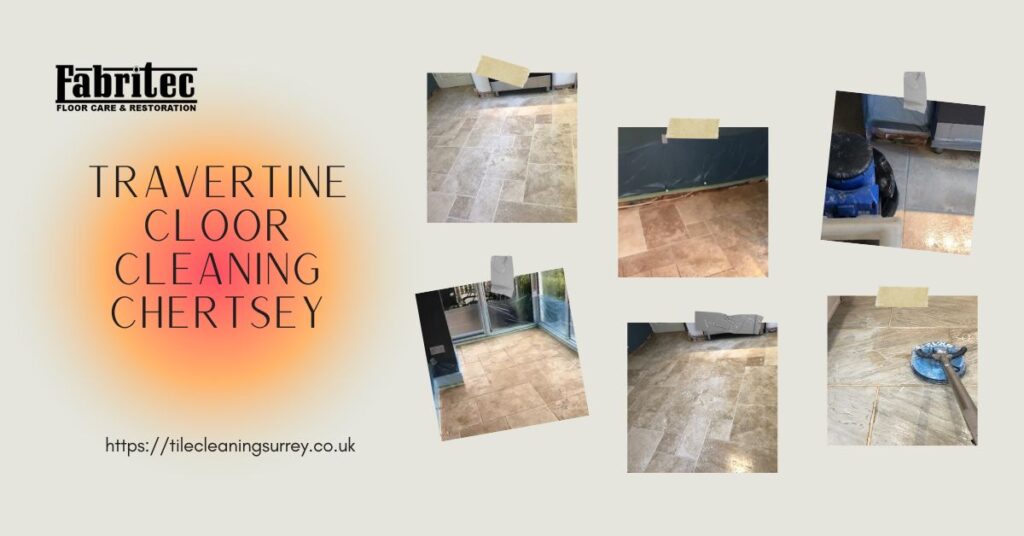
    Cleaning and Sealing a Travertine Floor in Chertsey, Surrey

    travertine floor cleaning chertsey featured iage

    Background

    Travertine floors are known for their natural beauty and unique appearance, but they require proper care and maintenance to maintain their charm over time. Recently, we had the opportunity to revitalise a well-worn travertine floor in a residential property in Chertsey, Surrey. This case study will illustrate the steps we followed to clean, repair, and seal the travertine floor, ensuring it not only looked new but also would last for years to come.

    Initial Assessment and Preparation

    Upon initial inspection, the travertine floor showed signs of wear, including visible dirt buildup in the grout lines, small natural holes typical of travertine stone, and some minor cracks in a few tiles. To ensure a clear workspace, we removed all furniture from the area before vacuuming up any loose debris and dust.

    To protect surrounding surfaces, such as kitchen units and adjacent floors, we applied protective sheeting. This is critical in preventing any potential damage from cleaning agents or equipment during the cleaning process.

    Deep Cleaning the Travertine Tiles and Grout

    The key to revitalising travertine is a thorough, deep cleaning process. We started by applying a diluted, professional-grade travertine cleaner across the floor, paying special attention to grout lines and any heavily soiled areas. After allowing the cleaner to sit for about ten minutes to loosen embedded dirt, we used a rotary scrubbing machine to work the cleaner into the tiles.

    This method effectively lifted the grime that had accumulated over time, leaving the surface visibly cleaner. To ensure the floor was completely clean, we followed up with pressure rinsing, a crucial step for removing any remaining cleaning slurry and debris. The rinse also eliminated any residues from previous sealers, preparing the surface for repair and sealing.

    Repairing the Travertine Tiles

    Upon cleaning, we discovered a few natural holes and minor cracks in the travertine tiles, common in this type of stone. To address these issues:

    Filling Holes:

    We filled the natural holes using high-quality beige fillers that blended well with the existing tile colour. This step not only restored the uniformity of the floor but also prevented future dirt buildup in these crevices.

    Repairing Cracks

    For the cracked tiles, we used a resin grout that allows for slight movement without causing additional cracks. Colour-matching the grout to the tile ensured that the repairs were almost invisible, maintaining the floor’s seamless aesthetic.

    Sealing the Travertine Floor

    The final, yet most critical, step in this process was sealing the travertine floor. Sealing protects the stone from stains, spills, and everyday wear and tear, thus extending the floor’s life. For this project, we applied a high-solids, breathable sealer that not only penetrated the travertine but also formed a protective barrier on the surface.

    Our client preferred a satin finish, which enhanced the natural beauty of the travertine without making it overly glossy. After the sealer was applied, we allowed it to cure for several hours, ensuring the floor was ready for regular use.

    Aftercare Recommendations

    To maintain the travertine’s refreshed appearance, we advised the client to follow a regular cleaning routine:

    • Use a pH-neutral cleaner specifically designed for sealed natural stone, such as LTP Floorshine, to avoid damaging the sealer.
    • Regularly vacuum or dust the floor to prevent dirt from scratching the surface.
    • Immediately clean up any spills to prevent staining.
    • Reapply the sealer every 2 to 3 years, depending on foot traffic, to maintain the floor’s protection and appearance.

    Outcome

    After completing the cleaning, repairing, and sealing processes, the travertine floor in the Chertsey property was transformed. The floor now had a renewed lustre, the grout lines were clean, and the repaired cracks were barely noticeable. The client was delighted with the results, and the floor was protected against future damage, ensuring it would remain beautiful for years to come.

    We couldn’t be happier with the results! Our travertine floor looks absolutely stunning—like it’s brand new again. The team was professional, thorough, and took great care to restore every detail. We’re thrilled with how well the repairs blend in, and the sealing has made cleaning so much easier. Highly recommend their service!

    This project highlights the importance of regular professional maintenance for travertine flooring to preserve both its aesthetic appeal and functional longevity.

    Frequently Asked Questions

    How Often Should I Clean My Travertine Tiles?

    Cleaning travertine tiles should occur regularly, ideally once or twice a week, depending on foot traffic. Additionally, deep cleaning every six months guarantees the maintenance of their aesthetic appeal and longevity. Always use appropriate cleaners.

    Can I Use Vinegar to Clean Travertine Surfaces?

    Using vinegar to clean travertine surfaces is not advisable, as its acidity can damage the stone and its protective seal. Instead, opt for a pH-balanced cleaner specifically formulated for natural stone to maintain its integrity.

    What Are Common Signs of Travertine Damage?

    Common signs of travertine damage include visible cracks, chips, discoloration, and uneven surfaces. Additionally, persistent stains or dullness indicate wear, necessitating immediate attention to maintain both the aesthetics and structural integrity of the flooring.

    Is Travertine Suitable for Outdoor Use?

    Travertine is suitable for outdoor use due to its durability and natural slip resistance. However, proper sealing is essential to protect it from weathering and staining, ensuring longevity and maintaining its aesthetic appeal in outdoor environments.

    How Can I Prevent Future Staining on Travertine?

    To prevent future staining on travertine, apply a high-quality sealer regularly, promptly clean spills, and utilise pH-neutral cleaners. Additionally, maintain a consistent cleaning routine to enhance the stone’s durability and aesthetic appeal.

    The post:  Travertine Cleaning Chertsey was produced by Travertine Floor Cleaning Chertsey

    The Article Cleaning and Sealing a Travertine Floor in Chertsey, Surrey appeared first on https://fabritec.org

    The Article Cleaning and Sealing a Travertine Floor in Chertsey, Surrey Was Found On https://limitsofstrategy.com

  • Managing Anxiety Attacks Effective Treatment Options

    Managing Anxiety Attacks Effective Treatment Options

    Efficient Methods for Coping with Anxiety Attacks

    Anxiety attacks, or panic attacks, are abrupt and intense episodes of dread or distress that reach their highest point within a few minutes. These assaults can manifest abruptly and without any obvious trigger, frequently leaving patients feeling inundated and without control. Typical symptoms encompass accelerated heart rate, perspiration, shaking, difficulty breathing, chest discomfort, nausea, lightheadedness, and an overwhelming fear of losing control or dying.

    It is imperative to acknowledge that anxiety episodes are a valid medical illness rather than a manifestation of weakness or personal defect and can be successfully addressed with suitable interventions. A variety of causes, such as stress, traumatic experiences, genetic susceptibility, and certain medical disorders, can trigger anxiety episodes. Pinpointing the root causes of anxiety attacks is a crucial measure in effectively managing and treating them.

    It is crucial to differentiate anxiety attacks from regular stress or worry, as they are characterised by their high intensity and sudden start. Although experiencing periodic anxiety is considered normal, anxiety attacks are characterised by their heightened severity and disruptive nature. Gaining insight into the essence of anxiety attacks might assist individuals in formulating tactics to cope with and conquer them effectively.

    Main Points to Remember

    • Anxiety attacks are sudden and intense feelings of fear or panic, often accompanied by physical symptoms such as rapid heartbeat and shortness of breath.
    • Cognitive Behavioral Therapy (CBT) is a highly effective form of therapy for managing anxiety attacks, focusing on changing negative thought patterns and behaviours.
    • Medication options for anxiety attacks include antidepressants, anti-anxiety medications, and beta-blockers, which a healthcare professional can prescribe.
    • Relaxation and mindfulness techniques such as deep breathing, meditation, and yoga can help reduce the frequency and intensity of anxiety attacks.
    • Lifestyle changes such as regular exercise, a healthy diet, and adequate sleep can play a significant role in managing anxiety attacks and improving overall mental health.

    panic attackCognitive Behavioral Therapy

    Understanding the Connection Between Thoughts, Feelings, and Behaviors

    Through CBT, individuals can learn to recognize and challenge irrational thoughts, develop coping strategies, and gradually face their fears in a controlled and supportive environment. CBT can help individuals understand the connection between their thoughts, feelings, and behaviours and empower them to make positive life changes.

    Personalized Strategies for Managing Anxiety

    In CBT, individuals work with a therapist to identify specific triggers for their anxiety attacks and develop personalized strategies for managing them. This may involve learning relaxation techniques, practising mindfulness, and gradually exposing themselves to feared situations in a safe and controlled manner.

    Achieving Significant Relief from Symptoms

    CBT is a goal-oriented therapy focusing on practical solutions and skills that can be applied in everyday life. By addressing the underlying causes of anxiety attacks and developing effective coping mechanisms, individuals can experience significant relief from their symptoms.

    Medication Options

    Medication may be prescribed as a component of a comprehensive therapy regimen for anxiety episodes in certain instances. Various drugs can be provided to effectively control symptoms, including antidepressants, anti-anxiety meds, and beta-blockers. Antidepressants, such as SSRIs and SNRIs, are commonly prescribed to treat anxiety disorders.

    One mechanism by which these drugs exert their effects is by elevating brain levels of specific neurotransmitters involved in mood regulation. Benzodiazepines, a type of anti-anxiety medicine, may be used temporarily to alleviate intense symptoms of anxiety. Nevertheless, these drugs are commonly employed with prudence because of their propensity for addiction and misuse.

    Beta-blockers are a class of drugs that can be employed to mitigate the physiological manifestations of anxiety episodes, such as tachycardia and tremors. Collaborating closely with a healthcare professional is crucial for patients to identify the optimal drug and dosage that suits their needs. Medication should always be combined with other therapy modalities for optimal treatment outcomes.

    Relaxation and Mindfulness Techniques

    Relaxation and mindfulness practices are adequate resources for coping with anxiety attacks. These activities prioritise the relaxation of the mind and body, diminishing tension, and enhancing self-awareness. Techniques like guided visualisation, progressive muscular relaxation, deep breathing exercises, and meditation can assist patients in achieving a state of calm and diminishing the severity of their anxiety symptoms.

    Regular practice of these methods can help people deal with stress and anxiety better in their daily lives. Mindfulness entails directing attention to the current moment without making evaluations, enabling individuals to enhance their awareness of their thoughts and emotions without being overpowered by them. Mindfulness practices can be cultivated through meditation, yoga, or deliberately directing one’s attention to the sensory experiences of the current moment.

    By integrating relaxation and mindfulness practices into their daily routine, individuals can strengthen their defence against anxiety episodes and improve their overall well-being in the long run. These practices, when made a part of daily life, can lead to a more resilient and balanced state of mind, reducing the frequency and severity of anxiety attacks.

    running for therapyLifestyle Changes

    Managing anxiety attacks can also be greatly improved by making good changes to one’s lifestyle. Regular exercise releases endorphins, the body’s natural chemicals that make you feel good, and scientific research has shown that this has a positive influence on anxiety and mood. Participating in physical activities like walking, running, swimming, or yoga might assist individuals in effectively coping with stress and enhancing their overall sense of well-being.

    In addition, adhering to a nutritious diet that incorporates ample amounts of fruits, vegetables, whole grains, lean proteins, and beneficial fats can promote mental and physical well-being. Getting enough sleep is essential for controlling anxiety episodes. Insufficient sleep can worsen anxiety symptoms and hinder the ability to manage stress.

    Adhering to a regular sleep routine and maintaining proper sleep habits might assist persons in obtaining the necessary rest to promote their mental well-being. Restricting the consumption of caffeine and alcohol might also be advantageous for controlling anxiety symptoms, as these drugs can lead to sensations of unease and uneasiness.

    Support Groups and Peer Counseling

    The Power of Support Groups

    Support groups provide a safe space for individuals to share their experiences, gain insight from others, and receive encouragement from those who understand what they’re going through. Connecting with others who have overcome anxiety attacks can provide hope and inspiration for those who are still struggling.

    Peer Counseling: A Personalized Approach

    Peer counselling can also be an effective form of support, where individuals receive guidance and encouragement from someone who has successfully managed their anxiety. Support groups and peer counselling can help individuals feel less isolated in their struggles with anxiety attacks and provide them with practical strategies for coping.

    Building a Network of Support

    It’s important for individuals to seek out support from trusted sources who can offer empathy, understanding, and constructive advice. By building a network of support, individuals can gain strength and resilience in their journey towards managing anxiety attacks.

    anxiety therapyPanic Attacks Therapy

    Panic attack therapy is a highly specialised therapeutic approach that mainly targets the symptoms and triggers associated with panic attacks. This therapy modality emphasises assisting clients in comprehending the fundamental origins of their panic episodes and cultivating efficient techniques for effectively handling them. Panic attack therapy may involve the integration of cognitive-behavioral therapy (CBT), exposure therapy, relaxation techniques, and educational interventions to address panic disorder.

    By engaging in this specialised therapy, individuals can gain a more profound comprehension of their panic attacks and acquire the skills necessary to regain control over their symptoms. Panic attack therapy may also include examining any latent trauma or unresolved matters that could be contributing to the occurrence of panic attacks. By identifying and resolving these underlying reasons, individuals can actively pursue recovery and decrease the occurrence and severity of their panic episodes.

    In addition, Panic attack therapy may encompass the process of instructing clients about the physiological feelings linked to panic attacks and assisting them in acquiring techniques for effectively controlling these symptoms in real-time. Under the guidance of a skilled therapist, individuals can acquire the ability to identify initial indicators of panic attacks and employ efficient coping mechanisms to prevent their escalation. To summarise, anxiety episodes can be highly distressing and incapacitating, but they can be effectively managed with the appropriate methodology.

    To effectively manage their symptoms, individuals can gain insight into the nature of anxiety attacks, pursue suitable treatment choices such as Cognitive Behavioural Therapy or medication when needed, adopt relaxation techniques, and implement positive lifestyle modifications. Engaging with support groups or seeking peer counselling can offer vital encouragement and guidance in effectively managing anxiety attacks. Moreover, those experiencing panic attacks can benefit from specialised therapy, such as Panic Attacks Therapy, which provides focused assistance.

    By employing a suitable combination of tactics and assistance, people can re-establish authority over their lives and attain respite from episodes of anxiety.

    FAQs

    What is an anxiety attack?

    An anxiety attack, also known as a panic attack, is a sudden episode of intense fear or discomfort that may include symptoms such as heart palpitations, sweating, trembling, shortness of breath, and a feeling of impending doom.

    What are the treatment options for anxiety attacks?

    Treatment for anxiety attacks may include therapy, medication, and lifestyle changes. Therapy options may include cognitive behavioural therapy (CBT) and exposure therapy. Medications such as selective serotonin reuptake inhibitors (SSRIs) or benzodiazepines may be prescribed. Lifestyle changes may include stress management techniques, regular exercise, and a healthy diet.

    Can anxiety attacks be treated without medication?

    Yes, anxiety attacks can be treated without medication. Therapy, such as cognitive behavioural therapy (CBT) and exposure therapy, can be effective in treating anxiety attacks. Lifestyle changes, such as stress management techniques, regular exercise, and a healthy diet, can also help manage anxiety attacks without medication.

    What should I do if I experience an anxiety attack?

    If you experience an anxiety attack, it’s important to try to stay calm and focus on your breathing. Practice deep breathing exercises and try to find a quiet, safe space. Suppose you have a history of anxiety attacks. In that case, it’s important to have a plan for managing them, such as using relaxation techniques or seeking support from a therapist or counsellor.

    Are there any natural remedies for anxiety attacks?

    Some natural remedies for anxiety attacks may include relaxation techniques such as deep breathing, meditation, and yoga. Herbal supplements such as lavender, chamomile, and valerian root may also help manage anxiety. It’s important to consult with a healthcare professional before using any natural remedies to ensure they are safe and effective for your situation.

    Brought To You By:

    References

    Nootropics and Anxiety: Exploring the Connection and Potential Benefits – pediatricbrainfoundation.org. https://pediatricbrainfoundation.org/nootropics-and-anxiety/

    Recent developments on future antidepressant-related serotonin receptors — Korea University. https://pure.korea.ac.kr/en/publications/recent-developments-on-future-antidepressant-related-serotonin-re

    The Article: Managing Anxiety Attacks Effective Treatment Options appeared first on https://mcrtherapies.co.uk

    The Article Managing Anxiety Attacks Effective Treatment Options appeared first on https://mcrtherapies.com

    The Article Managing Anxiety Attacks Effective Treatment Options Was Found On https://limitsofstrategy.com

  • The Essential Guide to Travertine: Benefits, Varieties, and Care Tips

    The Essential Guide to Travertine: Benefits, Varieties, and Care Tips

    s TravertineTravertine is a highly sought-after natural stone for indoor and outdoor applications. Its unique texture, earthy tones, and cultural significance have made it popular among designers, developers, and homeowners. This guide will explore the benefits of travertine, the different types available, its uses, and essential maintenance tips, helping you make informed decisions for your next building or remodelling project.

    The Formation and Characteristics of Travertine

    Travertine, a type of limestone, forms in hot mineral springs through the precipitation of calcium carbonate. This process creates the stone’s distinctive porous texture and unique vein patterns. Travertine is commonly found in regions with significant geothermal activity, including the United States, Turkey, and Italy.

    The mineral composition of travertine, mainly calcite and aragonite, gives it both durability and a unique appearance. Its porous structure allows for various finishes—polished, honed, or tumbled—making it a versatile option for different architectural styles.

    Explore the Different Types of Travertine for Your Projects

    silver travertine tiles

    Travertine offers a variety of types, each with its own aesthetic and functional advantages, allowing for endless design possibilities that spark creativity.

    Classic Travertine: Timeless Elegance

    Classic travertine, characterized by its light, neutral tones and subtle vein-cut patterns, adds a timeless elegance to contemporary and traditional designs, infusing spaces with enduring beauty and sophistication.

    Noce Travertine: Warm and Inviting

    Noce travertine’s rich, earthy brown hues create a warm and welcoming atmosphere in indoor and outdoor spaces, offering comfort and a sense of homeliness in your design choices.

    Silver Travertine: Modern Sophistication

    Silver travertine blends grey, silver, and white tones and is perfect for modern, minimalist designs seeking a sleek and sophisticated look. Its unique colour variations can produce striking visual effects.

    Walnut Travertine: Earthy Elegance

    Walnut travertine combines the warmth of Noce with the neutrality of Classic travertine. Its medium brown tones, accented with hints of gold, make it an excellent choice for creating an elegant yet earthy ambience.

    Ivory Travertine: Subtle Versatility

    Ivory travertine, with its cream-coloured tones, pairs effortlessly with various other colours, making it ideal for creating a clean, bright look in kitchens, bathrooms, and other spaces.

    The Many Applications of Travertine in Construction

    Travertine’s natural beauty and durability make it an excellent choice for enhancing various areas of your home or commercial space. Let’s explore how this versatile stone can elevate different applications.

    Transform Your Floors with Travertine

    Travertine flooring is a popular choice thanks to its natural, non-slip surface. This makes it ideal for high-traffic areas like kitchens, bathrooms, and hallways. This stone’s exceptional durability ensures it can withstand everyday use while maintaining its stunning appearance for years.

    When selecting travertine flooring, consider the finish that best suits your style and needs. Honed and tumbled travertine offers a rustic, matte look, perfect for a more casual, earthy feel. For a more refined, luxurious touch, polished travertine provides a sleek, reflective surface that adds elegance to any space.

    Elevate Your Outdoor Spaces with Travertine Pavers

    Travertine pavers are a favourite for outdoor areas such as patios, pool decks, and garden paths. The stone’s natural porosity keeps it cool underfoot, even in direct sunlight, providing comfort for barefoot walking. Moreover, travertine’s resistance to weathering ensures it remains beautiful over time, regardless of the elements.

    Tumbled travertine pavers are top-rated for outdoor use. Their texture enhances visual appeal and improves grip, making them safer to walk on, even when wet.

    Add a Luxurious Touch with Travertine Countertops

    Travertine countertops bring a touch of luxury to kitchens and bathrooms. Their unique patterns and warm tones create a sophisticated, timeless look. With proper sealing, travertine countertops offer durability and resistance to heat, making them both a practical and elegant choice for your space.

    Travertine countertops bring a touch of old-world charm to kitchens and bathrooms. Though softer than granite or tile, travertine’s unique veining and warm tones make it a popular choice for those seeking to incorporate natural beauty into their interiors.

    Sealing travertine countertops regularly is important to preserve their appearance. This protective layer helps prevent damage and keeps the stone looking its best.

    Transform Your Space with Travertine Wall Cladding

    Travertine wall cladding adds depth and texture to both interior and exterior walls. Whether it’s a feature wall in a living room or the façade of a building, travertine transforms any surface into a striking visual statement. Vein-cut travertine is incredibly impactful, with its linear patterns creating a dynamic sense of movement.

    Unleash Creativity with Travertine Mosaics

    Travertine mosaics offer endless opportunities for creative design. These beautiful stone pieces can be arranged in various patterns to create stunning backsplashes, shower surrounds, or decorative accents. The natural variations in colour and texture make each mosaic installation a unique and vibrant work of art.

    Best Practices for Maintaining and Caring for Travertine

    Maintaining the beauty of travertine requires regular care. Follow these simple practices to keep your travertine surfaces in top condition.

    Clean Regularly with pH-neutral Solutions.

    Travertine is sensitive to acids, so always use a pH-neutral cleaner for regular cleaning. Avoid vinegar, lemon juice, and other acidic products, as they can damage the surface and dull the shine. Opt for stone-specific cleaners that remove dirt and grime without harming the stone.

    Seal to Protect Against Stains

    Sealing your travertine is crucial, especially in high-traffic areas or places exposed to moisture. A quality stone sealer creates a protective barrier that prevents stains from penetrating the stone’s porous surface. Depending on usage, reseal your surfaces every 6 to 12 months to maintain their protection.

    Act Quickly on Spills and Stains

    To minimize staining and etching, clean spills immediately. Blot the spill with an absorbent cloth or paper towel rather than wiping, which can spread the liquid and cause more damage. For stubborn stains, a poultice made of baking soda and water can effectively lift the stain without harming the stone.

    Protect High-Traffic Areas with Rugs and Mats

    Use rugs or mats in high-traffic areas to prevent scratches and wear on travertine floors. Place mats at entryways to catch dirt and debris before they reach the stone surface, and use felt pads under furniture to avoid scratches.

    Avoid Harsh Cleaning Tools

    When cleaning travertine, avoid harsh tools like steel wool, green scrubbing pads, or stiff brushes, as they can scratch the stone. Instead, use soft cloths and microfiber mops to clean and maintain your travertine surfaces gently.

    Choosing Travertine Responsibly: A Sustainable Approach

    While quarrying and processing travertine have environmental impacts, responsible sourcing and mindful use can make it a sustainable choice for building and design.

    Ethical Sourcing for a Greener Future

    When selecting travertine, prioritize suppliers committed to ethical sourcing. This includes minimizing environmental damage during quarrying and ensuring fair treatment and wages for workers. By choosing ethically sourced travertine, you support sustainable practices within the natural stone industry.

    Recycling and Reusing Travertine

    Travertine’s durability makes it ideal for recycling and reuse. Old travertine tiles, pavers, and cladding can be repurposed in new projects, reducing the demand for new materials and minimizing waste. Furthermore, travertine’s natural composition makes it fully recyclable at the end of its life cycle.

    Lowering the Carbon Footprint of Travertine

    Opting for locally sourced travertine reduces its carbon footprint by reducing transportation-related emissions. Additionally, using lighter-coloured travertine can lower energy consumption in buildings by reflecting more sunlight and decreasing the need for artificial cooling.

    FAQs about Travertine

    Marble v: What’s the Difference?

    Travertine is a type of limestone, while marble is limestone that has transformed under high pressure and temperature. It is more porous with a textured surface, whereas marble is denser and offers a smoother, polished finish.

    How to Prevent Etching on Travertine

    Etching occurs when acidic substances dull the surface of the travertine. Avoid acidic cleaners and immediately clean up spills like wine, citrus juice, or vinegar to prevent this. Regular sealing also provides additional protection against etching.

    Is Travertine Suitable for Cold Climates?

    Yes, travertine can be used in cold climates if you select a thick, high-quality variety that can endure freeze-thaw cycles. Proper installation, including using sealers and ensuring good drainage, is essential to prevent damage.

    Modern Design with Travertine: Is It Possible?

    Absolutely. Travertine’s versatility makes it ideal for modern designs. Silver and grey travertine varieties are prevalent in contemporary architecture, providing a sleek and sophisticated look for floors, walls, and countertops.

    Why Choose Travertine for Pool Decking?

    Travertine is an excellent choice for pool decking due to its natural slip resistance, ability to stay cool underfoot, and durability against weathering. Thus, it is both a practical and attractive option for outdoor spaces.

    The post The Ultimate Introduction To Travertine: Benefits, Types, and Maintenance sponsored by Travertine Cleaning Cobham

    The Article The Essential Guide to Travertine: Benefits, Varieties, and Care Tips appeared first on https://fabritec.org

    The Article The Essential Guide to Travertine: Benefits, Varieties, and Care Tips Was Found On https://limitsofstrategy.com